Spoiler alert: This review contains mild spoilers for “The Paper”
Graphic by Easton Clark, Photography Editor
I grew up on “The Office.” It was one of the first shows that caught my attention when I started watching it in middle school. Immediately, it sent me into a deep dive of sitcoms, mockumentaries and classic comedy shows.
The show’s spinoff, about a failing newspaper, piqued my interest. However, “The Paper’s” execution was lackluster, with weak humor and an overpowered lead.
“The Office,” created by Michael Schur and Greg Daniels, is a staple of American television, known for its cringeworthy comedy. Packed with strong acting, edgy jokes and true heart. It was created after the success of the British show of the same name. When the US version aired, there was nothing else like it, and it was defining a new space for comedy television.
“The Paper” was created by Daniels and Michael Koman, famous for his work on Nathan Fielder’s “Nathan For You.” Nathan Fielder is my favorite comedian, and consistently puts out shows that double down on provocative jokes in a similar way to “The Office.” As a huge fan of “Nathan For You,” I was hopeful that “The Paper” would exceed my expectations.
“The Paper” starts off slowly, with lots of characters, making it hard to pinpoint who to follow. The pilot introduces us to the same documentary crew that filmed the characters from “The Office.” The crew returns to Scranton, Pennsylvania, to catch up with the famous Dunder Mifflin paper company, but instead they find that it’s been bought out and moved to Toledo, Ohio.
I found that the start would have been much more concise if it had begun in Toledo. The nostalgic pull is understandable, but felt disorienting and unnecessary.
The crew goes to Toledo, where they find the Toledo Truth Teller. It is an aimless, failing local newspaper that shares its office space with a toilet paper company, Softees, run by Enervate, a paper conglomerate. The Toledo Truth Teller is barely a paper. They don’t cover local news, their website is just ads and they’re writing random gossip celebrity pieces. One headline reads “Seen Around Town,” followed by a list of names of Toledo citizens.
At the Toledo Truth Teller, we find Oscar (Oscar Nunez), the only holdover from the original show, who now does accounting at the newspaper. After a slow start, the pilot starts to take off. It’s easy to tell right away what each character's purpose is. Our protagonist Ned (Domhnall Gleeson, with an American accent) is annoyingly enthusiastic. He isn’t originally from the Toledo Truth Teller; he shows up in the first episode as the new editor-in-chief. Ned is passionate about news; he wants to change the Toledo Truth Teller back to a true newspaper.
Out of the whole cast, the true standout is Esmerelda (Sabrina Impacciatore), the dramatic reality TV star turned managing editor of the Toledo Truth Teller. Ned struggles to fit in the new office space, and Esmerelda doesn’t make it easier. She picks on him by sending an email to the whole office saying Ned was not “me-tooed” in reference to the “Me Too” Movement in Hollywood. She says she did it to clear up rumors in case anyone had thought he was. I thought the joke played great. Later, Ned addresses the email saying “Me didn’t, me wouldn’t..” and so on. The punchline missed. I found that Ned overall doesn’t have the same inescapable draw that mockumentary protagonists should possess. He’s average and overpowered by half the cast.
Esmeraleda is funny, unpredictable, but most importantly, honest. She does not care about the newspaper at all; she wants to keep her steady income and cushy office. Her bold character matches her decisions throughout the show, and really shines through the whole cast. She is unaware, fame-obsessed and constantly demanding attention.
Impacciatore plays the role with genuine commitment, similar to Steve Carell as “The Office’s” boss, Michael Scott. She plays well with Softees manager, Ken (Tim Key). They offer moments of great back-and-forth and strong comedy that were otherwise lacking from other characters. For me, she was the obvious choice for a protagonist.
Other workers include; Mare (Chelsea Frei) is passionate and disappointed, Nicole (Ramona Young) is reserved and hates Detrick (Melvin Gregg), who is socially unaware and in love with Nicole.
Within the season’s first few episodes, Ned and Mare have hints of a romance. Their relationship reminded me of Jim and Pam’s relationship in “The Office,” which had a chokehold on fans with their “will-they-won’t-they.” It was easy to root for Ned and Mare as episodes progressed, but I was not as invested as I could have been. By the end of “The Office’s” pilot, I needed to know what would happen with Jim and Pam. “The Paper” misses that same spark.
The most challenging part about recreating “The Office’s” feel is the comedy. It’s one of the most important parts, and “The Paper” missed the mark completely. It felt like they were trying to be “hip” with a dated approach. The series doesn’t have the writing or the acting to match up.
In times where the envelope could have been pushed, “The Paper” stayed on the sidelines and did the bare minimum. Ultimately, the jokes fell flat. Its predecessor made edgy, borderline inappropriate jokes, the kind of stuff that people say would never be allowed nowadays. “The Paper’s” family-friendly energy leaves it too afraid to make a bold choice.
Unlike “The Office,” which had such unique characters that fit their cast so well, “The Paper” felt like it was obvious that the actors were acting. The jokes felt forced and unaware. A lot of characters felt one-note and dimensionless. Whether it be the writing or the acting, there was no shock value. The jokes were written in the most obvious way, with no space for risk. “The Office” became so popular because it never shied away from the cringe, at times, controversial humor.
Between the Toledo Truth Teller and the Softees toilet paper, there were too many faces in the office space to keep track of. With so many characters, some felt like they were used for random one-liners in scenes that never landed with me. I just kept thinking, “Who is that guy again?”
The first episode did nothing to grab my attention; it felt like another mockumentary wannabe. I think the pilot takes the viewer into the show too early. By the end of episode one, I wasn’t sure what a regular episode structure would be. With Ned arriving in the first episode, it was clear that this incident would change the dynamics. However, in “The Office,” we are thrown into the characters' day-to-day life, because there is enough to grab our attention.
As the season progresses, characters come into their own a little more. The episode’s premises get stronger: they start writing stories, doing investigative work and the show certainly starts to display its rhythm. I know which plotlines to cheer for, and slowly but surely, the characters feel a little more genuine.
It is clear that the Toledo Truth Teller is heading downhill and Ned is willing to go to great lengths to fix it. Other characters pick up jobs on the paper and find their own “beats.” Mare is the only one with journalism experience and takes on some big local stories, even rehashing some local feuds.
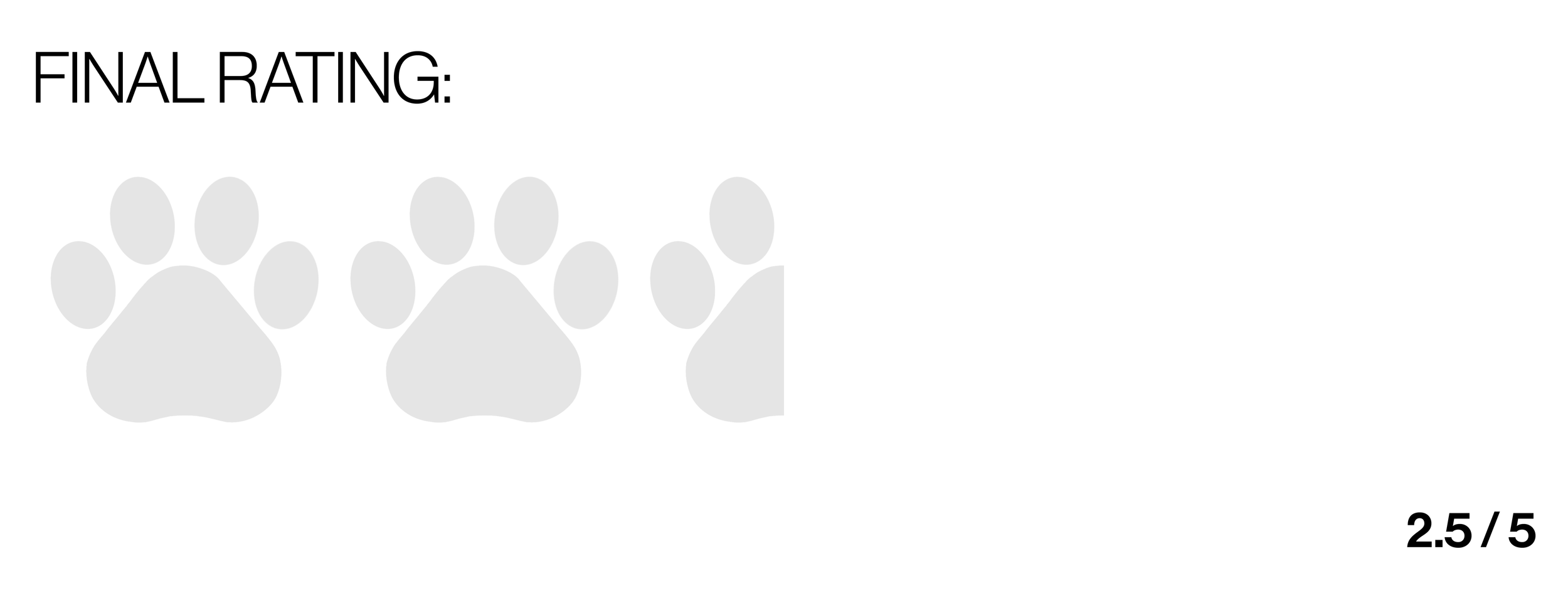
“The Paper” is functional; it has the plotlines set up, but it stumbled into a structure and has a few character standouts. Its biggest flaw was tying it to such a high standard. Instead of a spin-off of “The Office,” it should have been created as its own show entirely. A failing newspaper mockumentary has some promise as a premise. In comparison to “The Office?” “The Paper” offers an underwhelming approach.