Review | The second half of ‘Bridgerton’ season four goes beyond romance
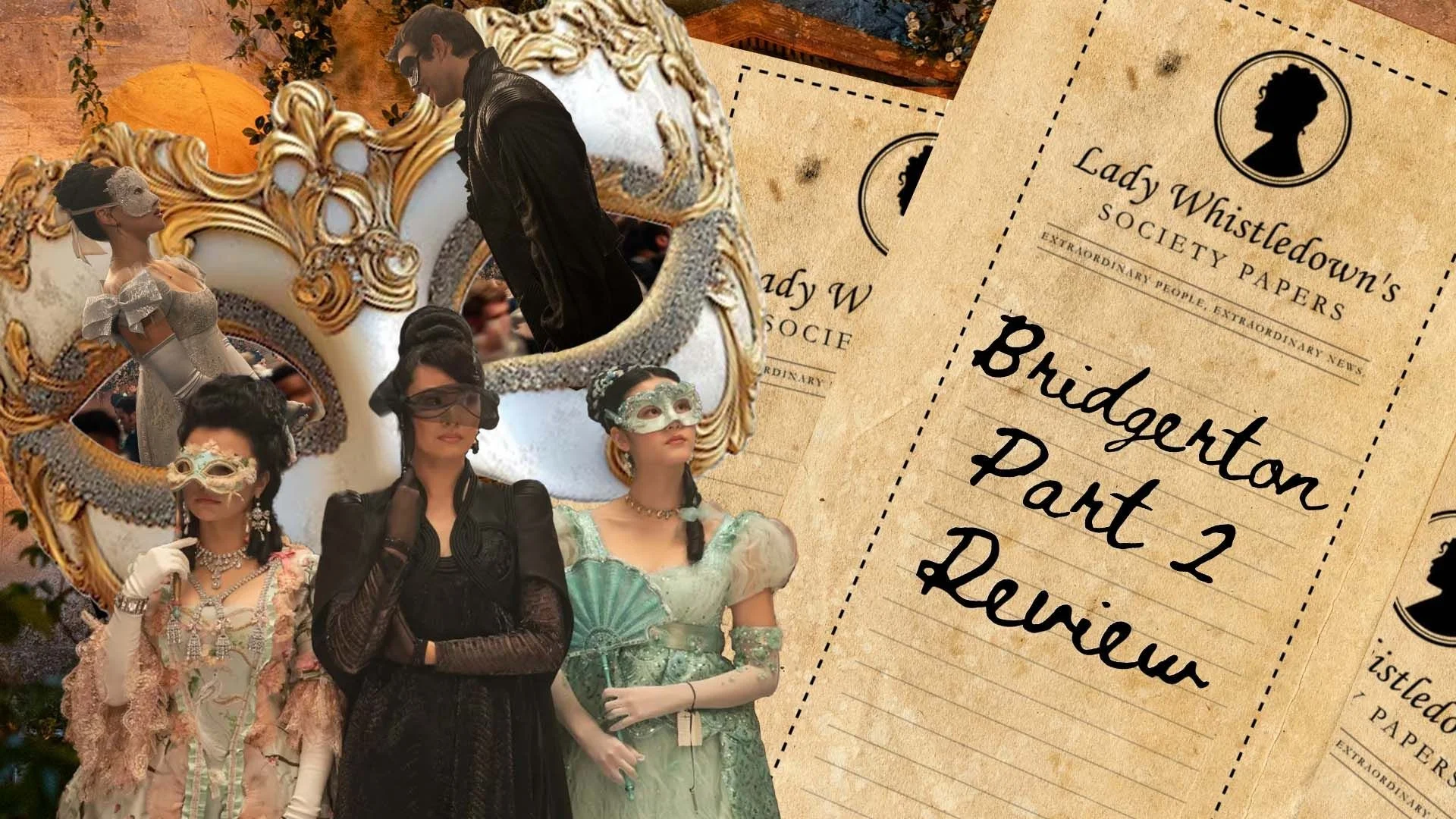
Collage by Trinity Johnson, Photographer
The second half of “Bridgerton”'s fourth season has finally arrived, and I must confess my opinions have undergone an unexpected transformation. I turned on the show skeptically after my experience with part one, and watched the last episodes all in one day. I couldn’t bring myself to put down the beautiful and suspenseful storytelling. From showrunner Jess Brownell, the final part of the season unfolded most satisfyingly.
Although the Cinderella trope remains present in the second half of the season, it no longer dominates the central plot. Instead, it recedes into the background, which allows the emotional and moral stakes to take precedence. This shift allowed the focus to move specifically to the overlooked characters lingering in the background — the staff of the Bridgerton house. This is something rarely seen before in the “Bridgerton” series.
This narrative shift is not only deliberate in the storytelling but also quite powerful in the messages it shares with the viewers. For the first time in the show, the servants are not silent witnesses to noble scandal, living only to serve. They are well-rounded, complex characters granted autonomy, agency and individuality. Their added perspective complicates the plot, taking away a smidge of the romanticized life of nobility in the British Regency era, and grounds the reality of life for the grand majority of people not born into noble families.
In doing so, Bridgerton moves away from the comfort of familiar fairy tale tropes to a topic far more resonant — an examination of hierarchy and power. Although seemingly unrelated, this plot reminded me of real-life power struggles; the divide between upstairs and downstairs signifies the power imbalances that mirror current systems regarding labor and power.
In this way, “Bridgerton” season four goes beyond glittering chandeliers and feathery headpieces, and beneath the spectacle lies a subtle but pointed message to the viewers to consider not only who holds power, but where they themselves stand within its dynamic.
With the world feeling heavier by the day everywhere we turn, conversations about power, privilege and equity don’t feel far away but increasingly urgent. And this is why the narrative shift resonates so deeply. By humanizing those traditionally left out of the picture, placeholders rather than people, “Bridgerton” challenges its audience to look beyond the romanticized fantasy before their eyes and question the systems that are at work in the background.
This works because it highlights how people only see what they are shown in the media. This message can encourage viewers to look past what’s in front of them and look in the rear-view mirror at all the systems at play in society.
Away from that, however, I think certain aspects are a bit overdone this season.
Overall, despite a disappointing start, this season exceeded my expectations in its final episodes and was not only a stunningly captivating watch but also encouraged the viewers to question aspects of their own lives. This season's shift to real social dynamics and hearing the overlooked viewpoints of different groups of people was a welcome change, and made a show filled with lavish balls and flowy gowns feel more real and relatable to the viewer.