
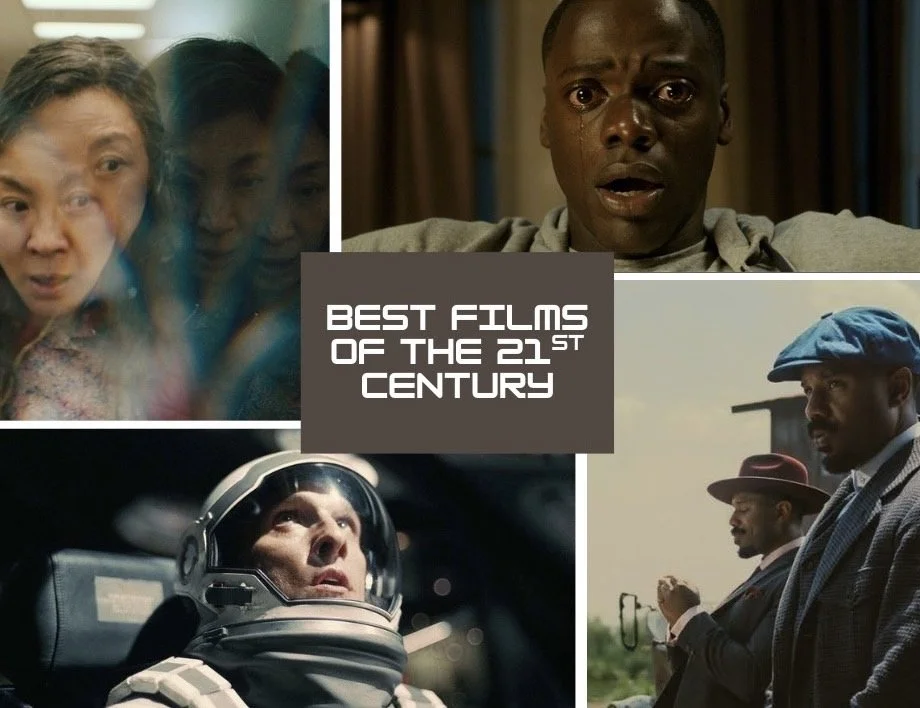
Collage by Caleb Otte, Managing Editor
Earlier this year, the New York Times published a list of the 100 best films of the 21st century, which was formed using hundreds of top 10 lists from a vast array of filmmakers, actors and other film professionals. Inspired by their efforts and the discourse it provoked, we set out to compile a list of our own using the favorites of our fellow students.
Despite our best efforts to vary our pool of respondents, 83.1% of the survey’s 93 responses were Dodge College of Film and Media Arts students, perhaps skewing the results toward a more “industry”-centered mindset. Without a ranked choice system, participants were asked to simply list 10 of their favorite films from the past 25 years. We then made our rankings based on the frequency of when a movie was mentioned.
While most films on the list crossed over with the New York Times’s list of 100 films voted on by the industry, seven films from our top 25 didn’t cross over. While present on our list, recent Gen Z favorites of the last decade, such as “La La Land” and “Into the Spider-Verse” didn’t appear on the New York Times list.
These different picks on the Chapman list are part of the beauty in what this ranking reveals, as one professor said: “What is productive about list-making such as this is the elevation of ‘lesser,’ especially popular films to the level of already ‘critically acclaimed,’ art house features.”
With that sentiment in mind, here are the results.
25. “Pan’s Labyrinth” (Guillermo Del Toro, 2006)
24. “The Grand Budapest Hotel” (Wes Anderson, 2014)
23. “Lady Bird” (Greta Gerwig, 2017)
22. “Portrait of a Lady on Fire” (Céline Sciamma, 2019)
21. “Coraline” (Henry Selick, 2009)
20. “Spider-Man: Across the Spider-Verse” (Joaquim Dos Santos, Kemp Powers and Justin K. Thompson, 2023)
19. “Bottoms” (Emma Seligman, 2023)
18. “WALL•E” (Andrew Stanton, 2008)
17. “Little Women” (Greta Gerwig, 2019)
16. “Brokeback Mountain” (Ang Lee, 2005)
15. “The Lord of the Rings: Fellowship of the Ring” (Peter Jackson, 2001)
14. “Moonlight” (Barry Jenkins, 2016)
13. “The Social Network” (David Fincher, 2010)
12. “Ratatouille” (Brad Bird and Jan Pinkava, 2007)
11. “Call Me By Your Name” (Luca Guadagnino, 2017)
10. “Spirited Away” (Hayao Miyazaki, 2001)
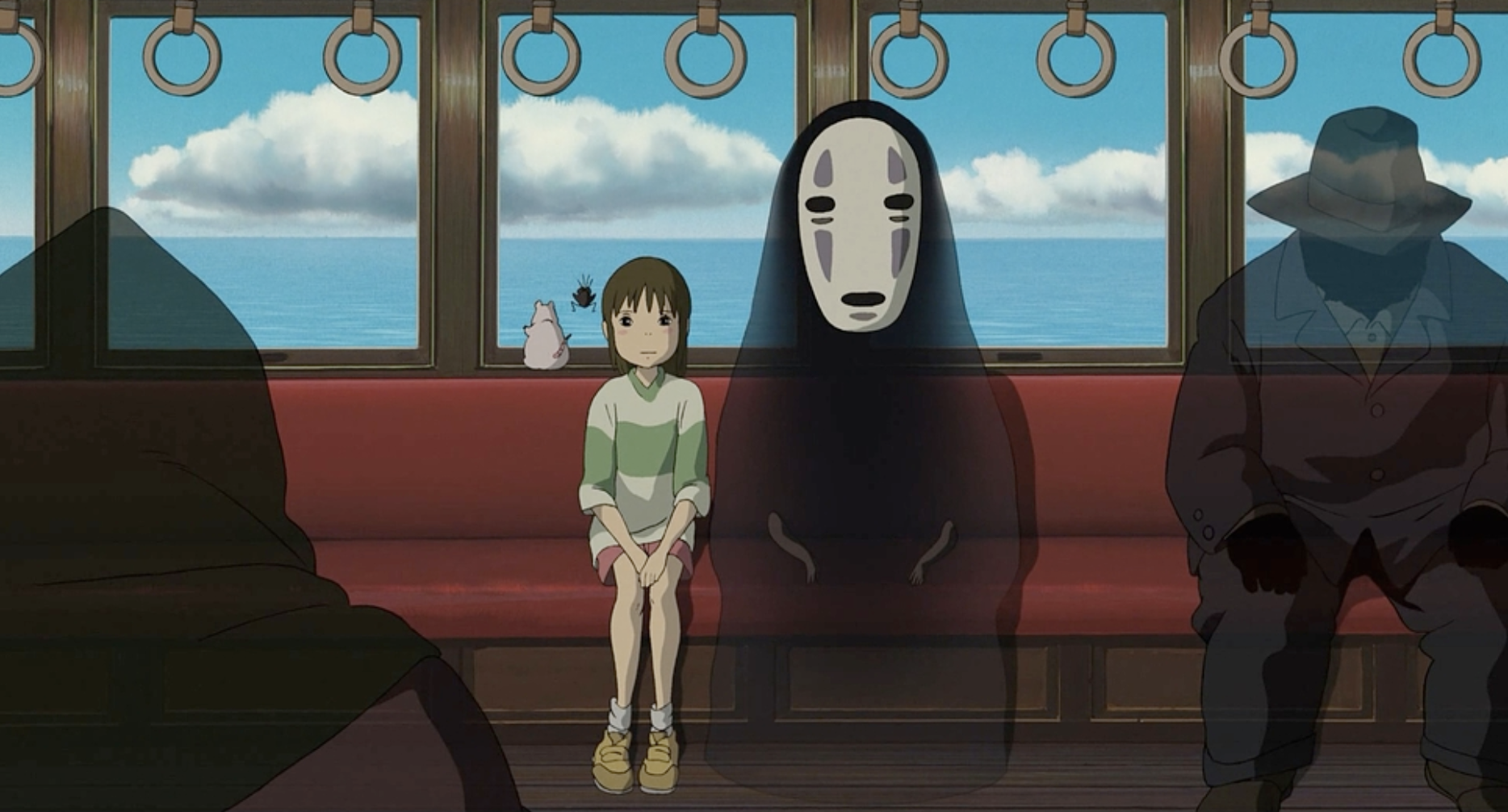
Photo courtesy of Studio Ghibli
Of just about any active filmmaker, the work of Hayao Miyazaki is arguably some of the most influential. With a delicate fairy tale-like structure, the coming-of-age narratives in Miyazaki’s work are resonant through his unique ability to capture a sense of nostalgic loss through animation.
Beyond this, “Spirited Away” includes some of the most vibrant animation ever put to the big screen, with Joe Hisaishi’s sweeping score heightening the film’s unique sentimentality. As a fantastical and transportative story, “Spirited Away” is infinitely rewatchable, making it no surprise that it has resonated so strongly across several generations.
9. “Little Miss Sunshine” (Jonathan Dayton and Valerie Faris, 2006)
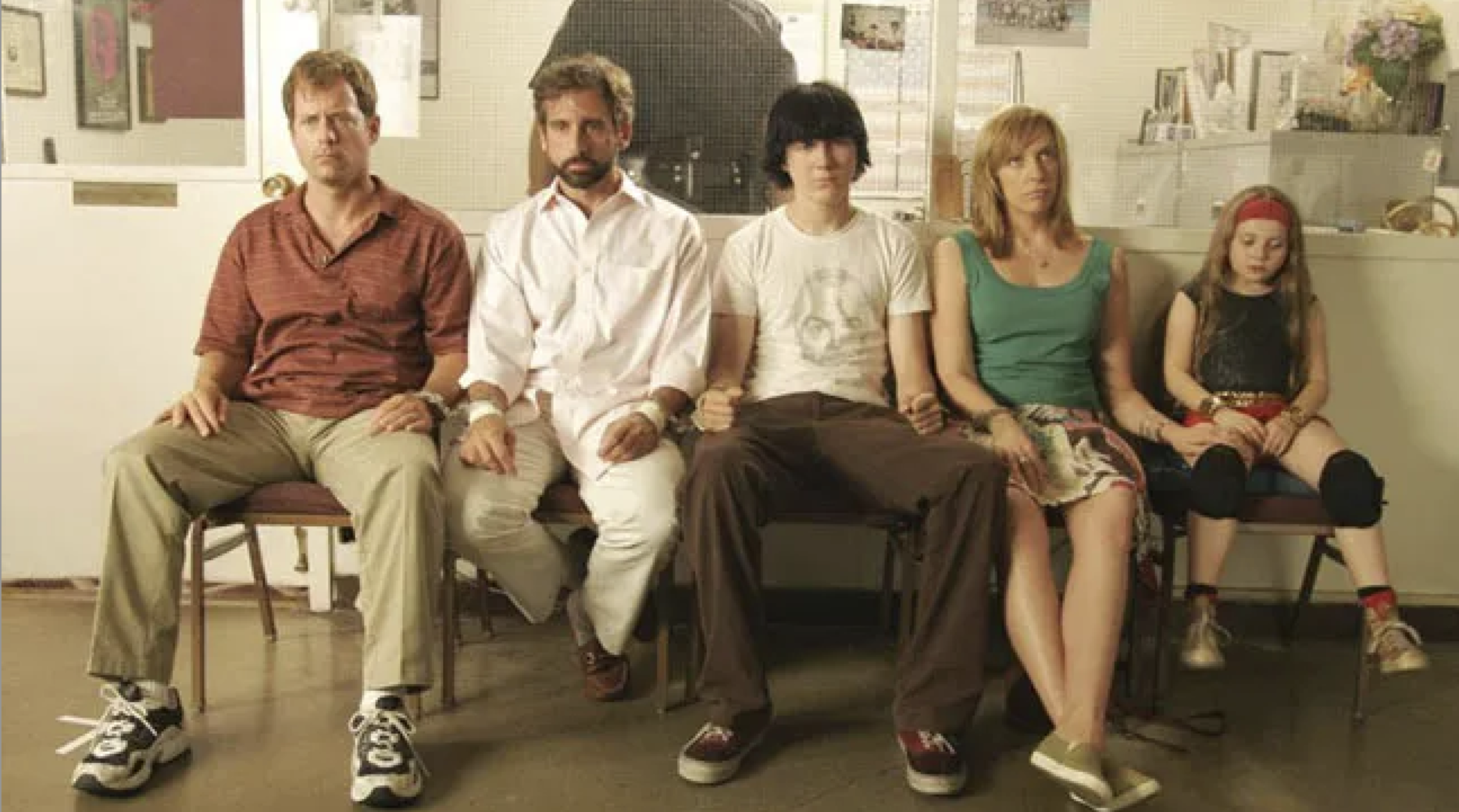
Photo courtesy of Searchlight Pictures
This heartwarming dramedy follows a delightfully dysfunctional family as they band together and hop in a van to get their youngest member to a beauty pageant. The film debuted at the 2006 Sundance Festival, paving the way for it to win two Oscars and becoming the launching pad for now-established actors like Abigail Breslin, nominated for her role in the film, and Paul Dano (an excellent performer, thank you very much!).
8. “Get Out” (Jordan Peele, 2017)
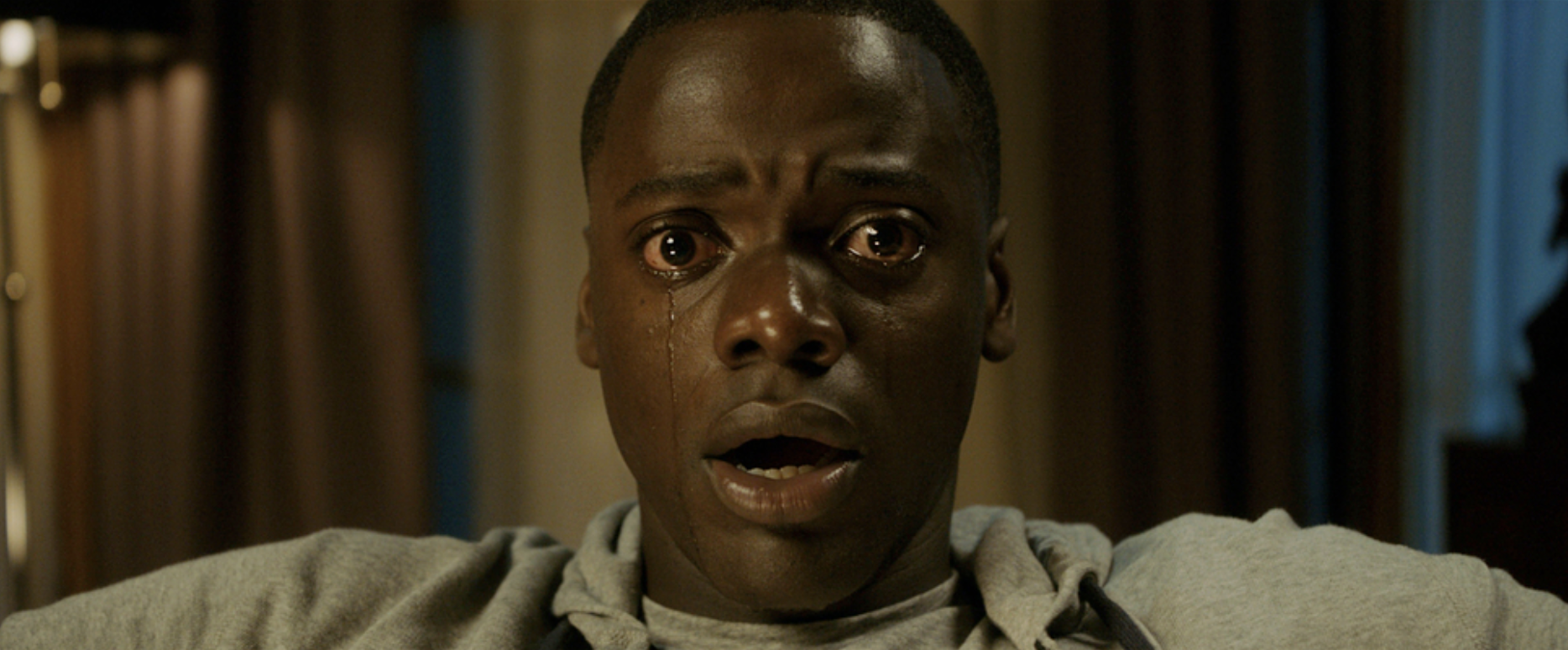
Photo courtesy of Blumhouse Productions
The release of “Get Out” is one of a select handful of film releases from the 21st century to have undeniably triggered a genuine cultural shift. Jordan Peele’s transformation from working on witty sketch comedy with “Key and Peele” to horrific and biting social satire almost immediately cemented him as one of the best directors working today.
Centering on a generational performance by Daniel Kaluuya, the film confronts contemporary white supremacy by depicting the horrors of racial microaggressions. Becoming one of the most critically acclaimed horror films of all time, “Get Out” has left an undeniable impact and has reoriented some of Hollywood’s remaining racial prejudices.
7. “Sinners” (Ryan Coogler, 2025)
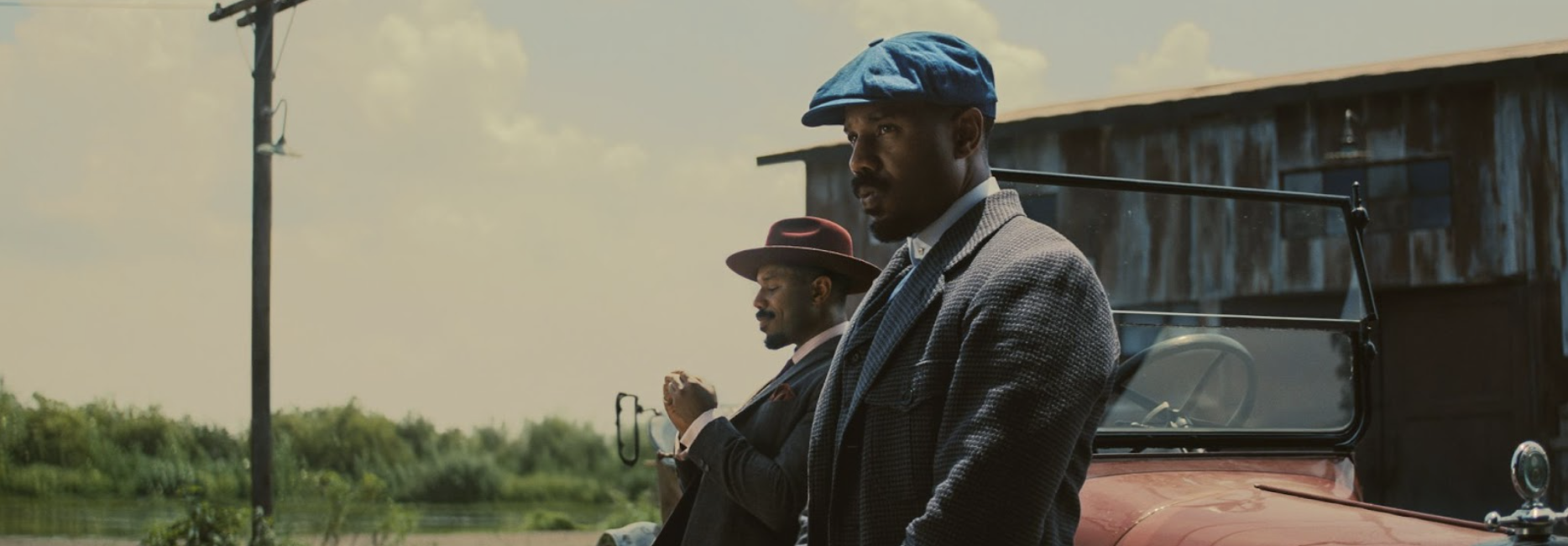
Photo courtesy of Warner Bros. Pictures
Director Ryan Coogler’s marriage of vampires and blues music appearing in the top 10 — let alone on this list at all — mere months after it came out in April of this year, feels quite notable. However, one mustn’t consider its inclusion as too great a shock despite its novelty. In those few months, it's been re-released multiple times and looks to be a formidable contender at next year’s run of awards shows, bound to be recognized from everything to Michael B. Jordan’s dual performance to Ludwig Goransson’s exhilarating, blues-infused score.
Placing this high so soon after its release indicates that there’s only room for the film to grow in folk’s estimation in the years to come. As one Dodge student aptly put it, “I deny any recency bias in putting this here, Ryan Coogler did his thing.” He sure did.
6. “Everything Everywhere All at Once” (Daniel Kwan and Daniel Scheinert, 2022)
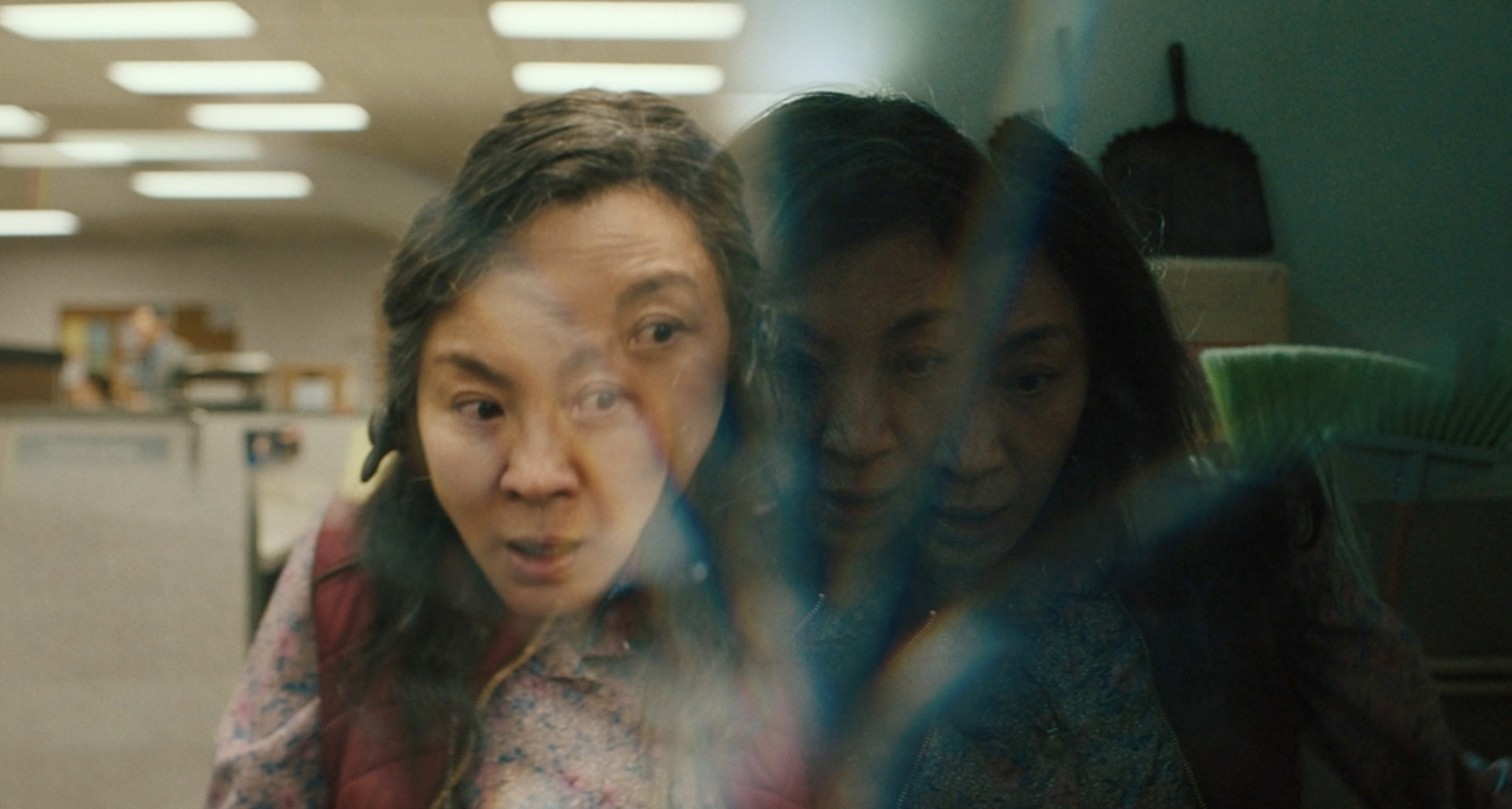
Photo courtesy of A24
The only film on this list to feature an emotionally climactic scene between two rocks, “Everything Everywhere All at Once” is an absurdist genre-bending film that never wavers from a deeply felt intimacy. The film feels inextricably tied to an age of social media where, much like the doomscroll, one moment can have you laughing at witty humor while the next leaves you sobbing over heartbreaking imagery.
Grounding the film through stellar performances from Michelle Yeoh, Stephanie Hsu and Ke Huy Quan, “Everything Everywhere All at Once” embraces its maximalist structure through unapologetic humanism and empathy.
5. “Spider-Man: Into the Spider-Verse” (Bob Persichetti, Peter Ramsey and Rodney Rothman, 2018)
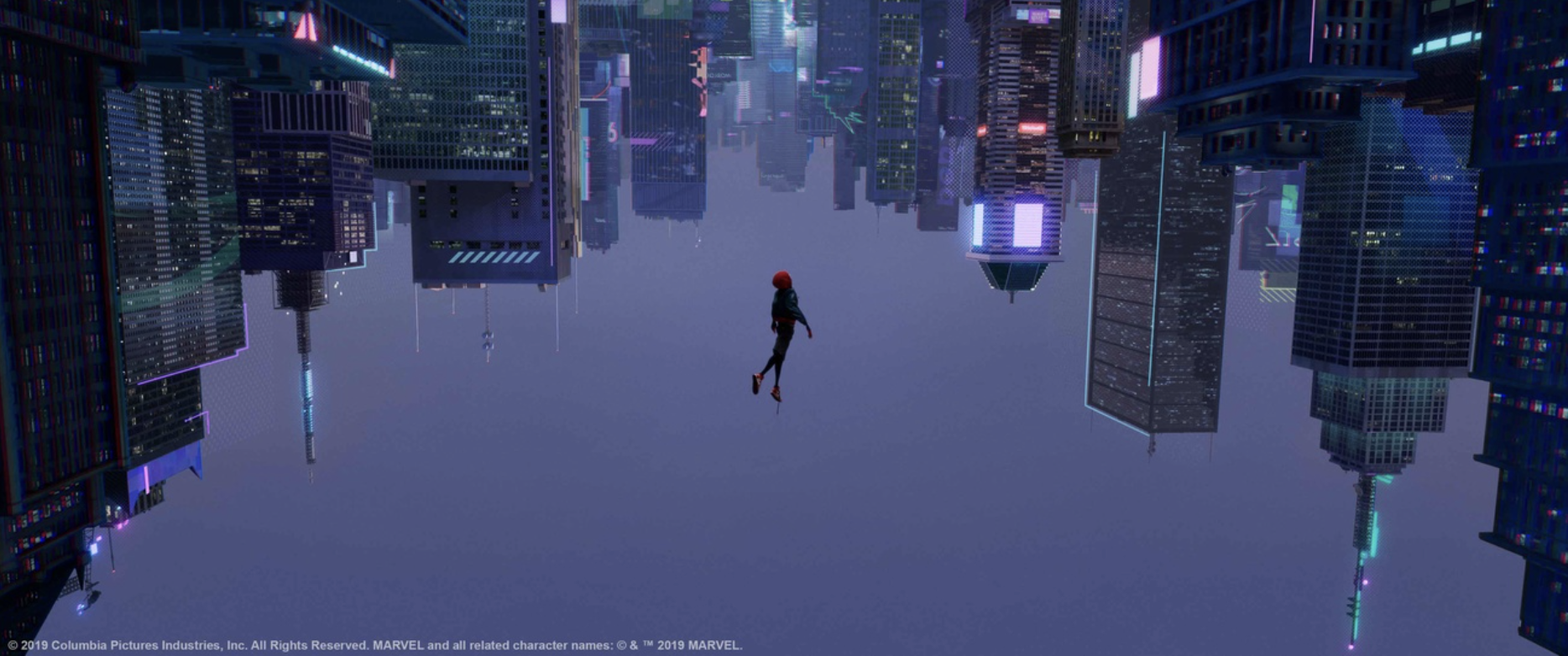
Photo courtesy of Sony Pictures Animation
The fact that this is only the second superhero movie on this list — both from the same franchise — is a pretty damning indictment of the cultural adhesion of so many of “Spider-Verse’s” comic book-inspired ilk, which have dominated so much of the conversation around movies in the 21st century.
This list is a refreshing rejection by young moviegoers and film fans of the glut of properties, brands and franchises sucked dry that make up so much of what’s out there to see today. Some of the Marvel and DC universe’s largest-scale feature films made more than most of the films on this list put together.
That isn’t to say anything ill of “Spider-Verse,” which still stands as one of the most rejuvenating, imaginative films in recent memory, animated or otherwise. The very same could (and should) be said of its sequel, which appears lower on this list, the only sequel in this top 25.
4. “Whiplash” (Damien Chazelle, 2014)
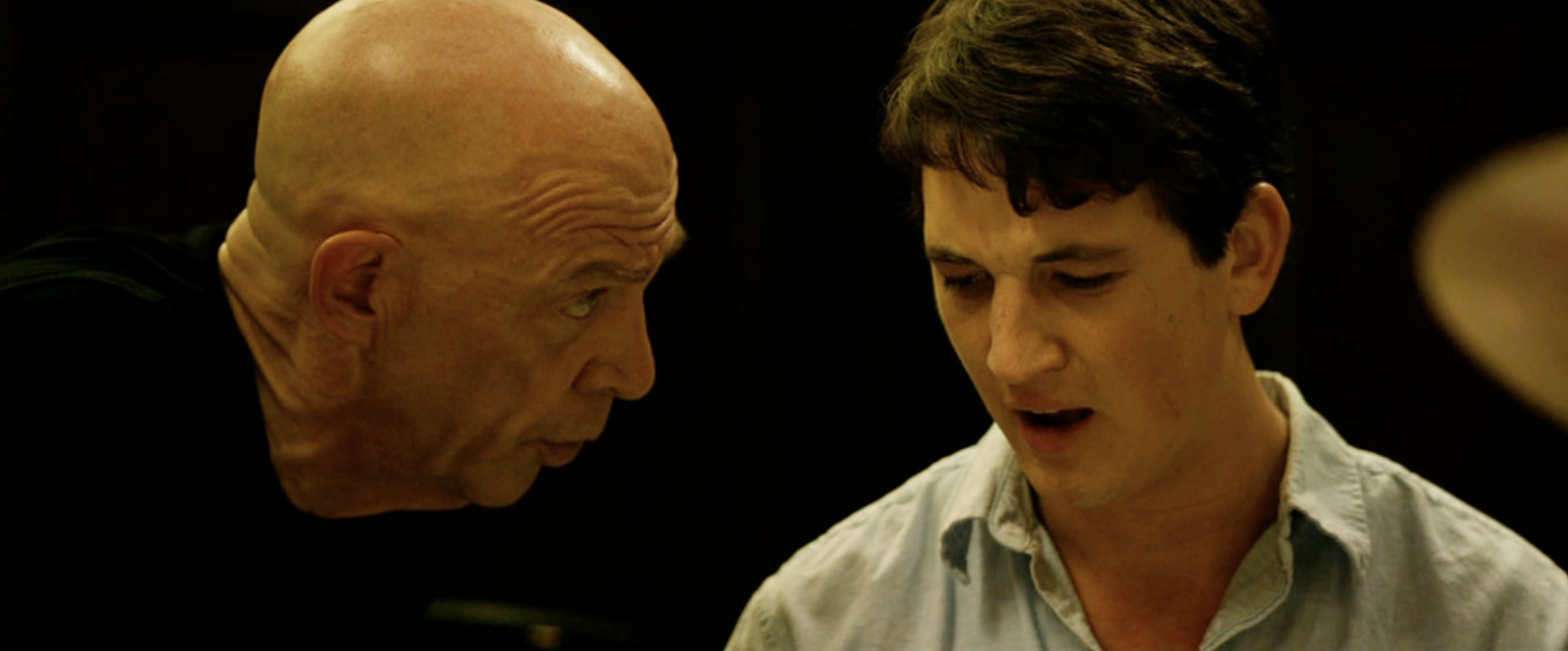
Photo courtesy of Blumhouse Productions
With wildly energetic editing and sharp dialogue, “Whiplash” makes the tense relationship between a drummer prodigy and his instructor feel earth-shattering. With an outstanding jazz score from Justin Hurwitz, every moment of the film is given a forward propulsion that only builds on its anxiety-ridden tone. J.K. Simmons’s Fletcher is one of the most intimidating figures ever put to the big screen as Miles Teller portrays a deep artistic passion, balancing each other out to feed the toxic dynamic. As only Chazelle’s second feature, “Whiplash” immediately established him as one of Hollywood’s most promising filmmakers.
For many students, the film struck a personal chord, as an anonymous Dodge student said, “just about every artist has experienced ‘Whiplash’ before, and Damien Chazelle perfectly captures that feeling.”
3. “Interstellar” (Christopher Nolan, 2014)
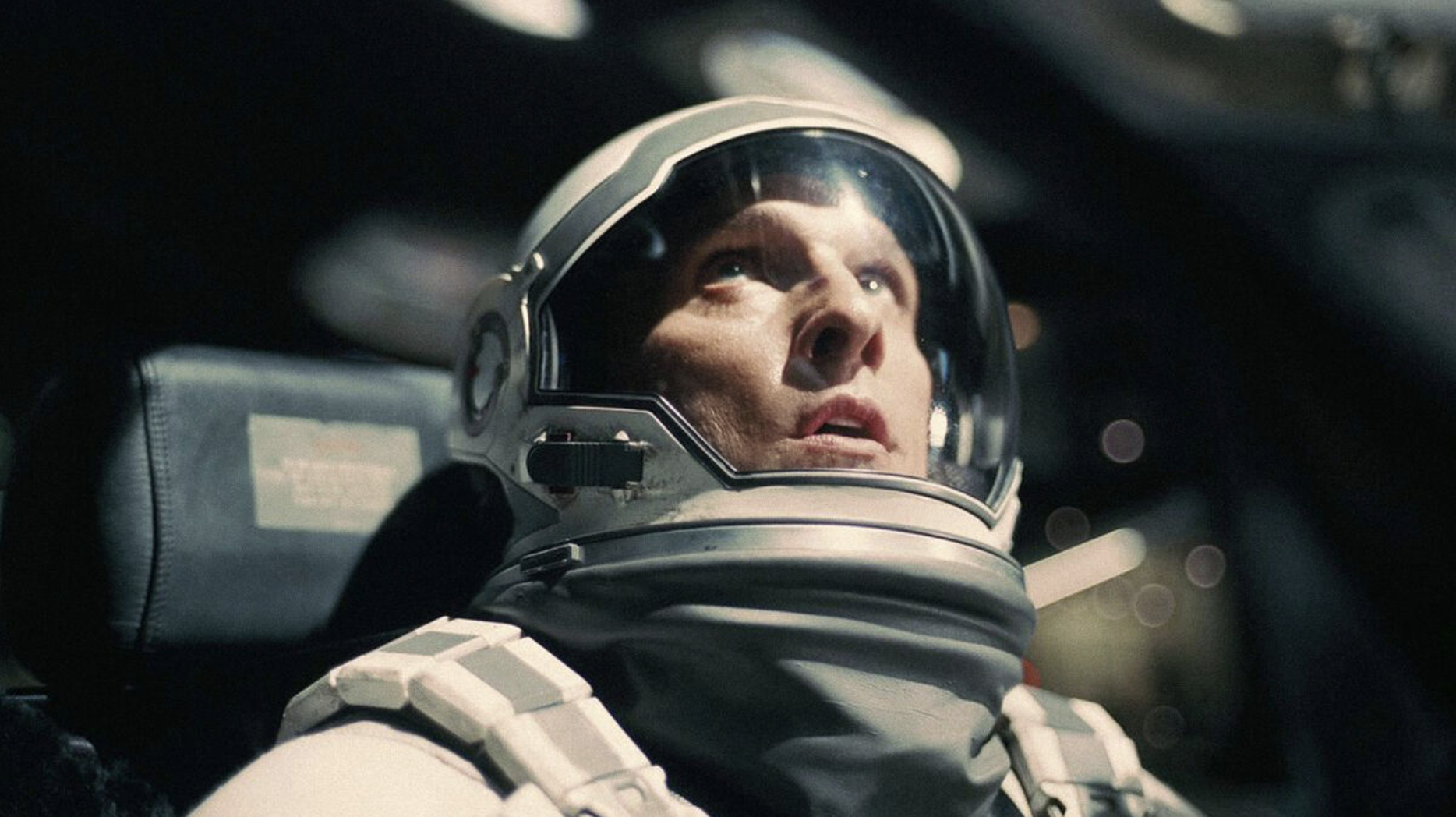
Photo courtesy of Paramount Pictures
What many would consider director Christopher Nolan’s opus, a saga of time and love set across decades and galaxies, “Interstellar” continues to break the hearts of all who sit for its nearly three-hour runtime. A proper epic bound to induce awe as much as sobs, the film sees Matthew McConaughey’s Cooper and a crew of space explorers and scientists searching for a home for a humanity desperately in need of one. All the while, he fights to return to his daughter as the mechanics of the cosmos pull them apart and lengthen his absence.
Given Nolan’s prominence in today’s film discourse, especially among die-hard fans, as well as one of the most loyal advocates for film as a format and moviegoing as a communal pastime, it’s a bit of a surprise to see only one film from him on this list. Perhaps that will change with next year’s much-anticipated “The Odyssey.”
2. “La La Land” (Damien Chazelle, 2016)
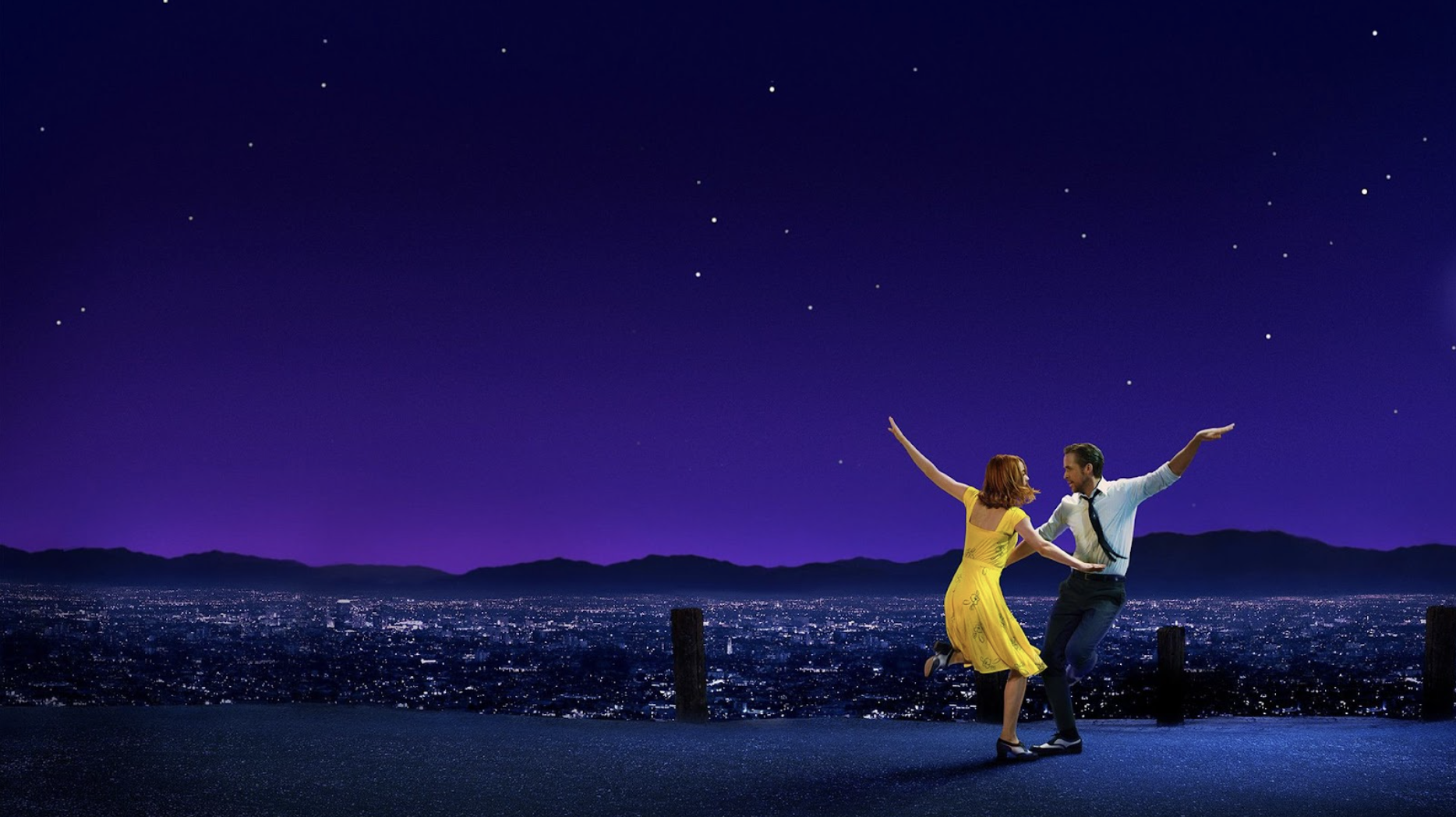
Photo courtesy of Lionsgate
Given the overwhelmingly Dodge-heavy results we’re pulling from, it’s no surprise to see “La La Land” place so high on this list. A swooningly romantic love letter to chasing one’s dreams and Damien Chazelle’s two great loves: jazz and cinema.
This film is Chazelle’s second film to appear on both this list and within the top five, making him one of two filmmakers to have more than one film featured on the larger list (Greta Gerwig, we love you!). This sets our list apart from the Times’, which altogether featured 13 filmmakers with more than one film on the list of 100. Chapman students spread the wealth among the modern masters currently telling stories today.
The film is perhaps best remembered for briefly winning Best Picture at the 2017 Oscars, only for “Moonlight” — which came 14th on this list — to be the rightful winner of the night’s big prize, thanks to an envelope-based snafu. Nevertheless, students said “Here’s to the fools who dream,” and it was nearly enough to top the whole list if not for…
1. “Parasite” (Bong Joon Ho, 2019)
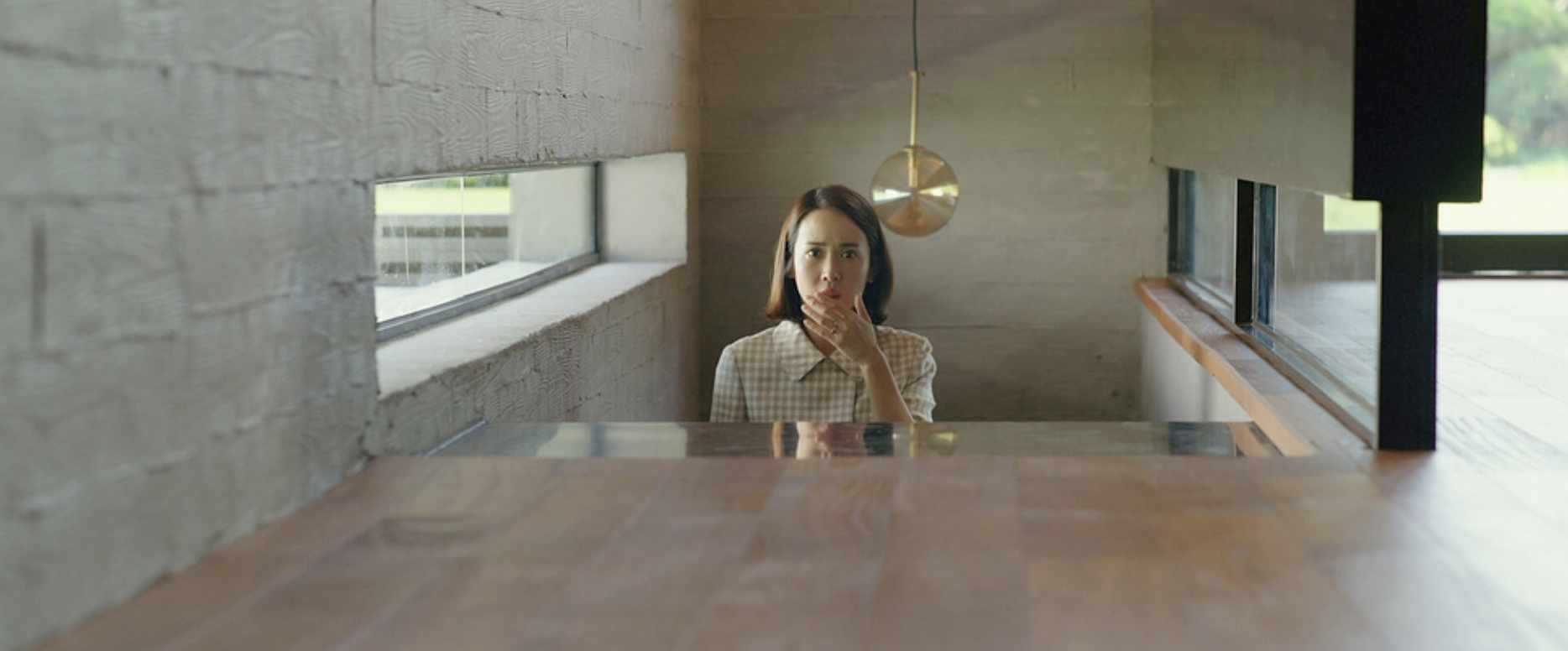
Photo courtesy of NEON
Masterfully balancing comedy, tragedy and social commentary, “Parasite” proved how good filmmaking can transcend linguistic and cultural boundaries to become a global phenomenon. It’s almost impossible to talk about “Parasite” outside of a conversation with its landmark Oscar win, becoming the first foreign language film to take home the prize for best picture — and still the only to do so.
Bong Joon Ho’s intricate tale of two families at separate ends of the socioeconomic class divide resists genre conventions by constantly keeping audiences on their toes and taking the film in new directions. Even with an abundance of other outstanding and masterful films defining the cinematic tapestry of the 21st century (so far), it was difficult seeing any other film taking this spot.
“Parasite was exquisite; with brilliant writing, acting and directing that captivated the world with its unique script and storytelling” said a class of 2016 Dodge alumni. “(It united) people from different backgrounds, countries, and cultures to watch a Korean language film and all be entertained and moved by it.”
As a survey of just the 21st century’s first quarter, much is bound to change through the coming years. Yet, as things stand, this list reveals a diverse range of favorites, including films in different languages, films of broadly varying genres and films from filmmakers of diverse backgrounds.
With the turn of the century marking the digitalization of the medium, cinema from traditionally suppressed voices is more accessible now than ever. One can only hope that the next 25 years bring more fresh perspectives and exciting narrative choices to grow and diversify an already exceptional list of films.