
SNL editor Mak Makower makes the cut
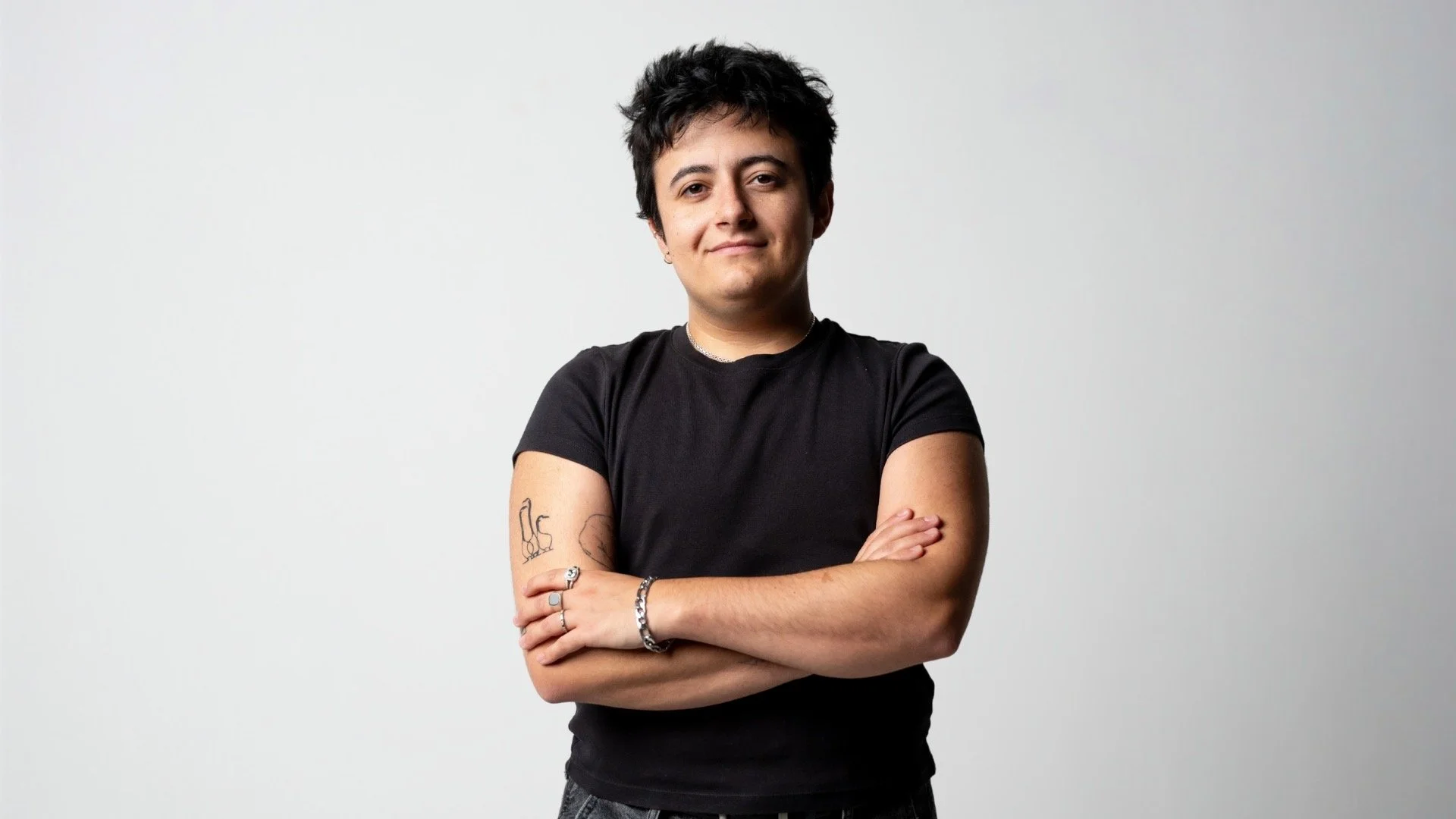
Photo courtesy of IMDB
Under the glow of stage lights and the flash of cameras at every turn, Emmy-nominated “Saturday Night Live” (SNL) editor Mak Makower found himself somewhere most filmmakers spend their entire careers trying to reach: the Emmys.
What now stands as an Emmy-nominated accomplishment began behind the screen, a journey familiar to many aspiring filmmakers: behind the camera of a high school short.
“I knew that editing was the thing that I wanted to do starting in high school,” Makower said. “I went into freestyle at my high school; it was basically like a mini film school, and I kind of was just assigned to edit a lot of my friends' movies.”
Many filmmakers thrive in the hustle and bustle of a film set, desiring to be the one holding the camera, calling the shots or getting in character. But Makower feels most at home somewhere quieter: in an editing room with a Celsius in reach, clicking away at a mouse as the story comes together frame by frame.
“I've always enjoyed a puzzle, and editing is kind of just one big old puzzle that you just have to kind of piece together different bits, and sometimes you put the ending at the beginning, and it works,” Makower said. “I really enjoy that kind of art of getting hours of footage and then slimming it down to maybe five minutes.”
Mak has edited for SNL since 2019 and has become used to the fast-paced environment with an even faster turnaround. With weekly episodes, editors have to be ready to trust their instincts.
“There truly is no room to second-guess yourself, there's no room to rework it,” Makower said. “We do work very closely with the directors and the writers, and they're all in the room, but that first cut is very important because you just have to trust that you know the SNL formula of knowing how the jokes are supposed to land, and just making it very tight.”
Trusting his instincts is vital in the SNL editing room. Staying true to the director's vision is essential, but the editor also has to find the rhythm of the comedy, knowing when to cut, how many frames to linger and how each beat should play out so the joke lands harder.
“There's always three stories: there's what you write, what you shoot and then it's what the final product ends up being,” Makower said. “I am always an advocate to kill your darlings, maybe it was the most expensive shot, or took the longest time, but once it gets to me, I don't care. I'm like, does this actually help move the story along?”
Aside from the accomplishment, the nominations' meaning goes beyond SNL itself. Makower stands as an inspiration for all transgender filmmakers out there, making waves as the second ever nominated transgender man to be nominated for an Emmy.
“As a trans person, there's only been one other trans man ever nominated for an Emmy; it definitely means more than I can even say,” Makower said. “It is truly just such an honor, and as I am so young, I never expected myself to be able to get the recognition that I am getting. It's pretty awesome.”
Although Makower is an exceptionally skilled editor and hard worker, it didn’t start there for him. Becoming who he is today came from a long journey of persistence and proving to those around him he could do anything he wanted to. Growing up with dyslexia, Makower had to work extra hard to succeed.
“I went to a special school for kids with dyslexia and learning differences, which helped me kind of pivot my focus from trying to be the kid that reads all the books and is good at spelling to more focus on my creative mind,” said Makower. “As a kid, being told ‘You just can't learn like other kids, so we're just gonna give up on you’ was tough for my self-esteem for sure, but it was also because I didn't learn in the classic way that it was thought to be able to teach the masses … I use that mindset in my editing as well, I don't have to approach this edit as the front, middle or end.”
In an education system that doesn’t always accommodate every way of learning, students with learning disabilities can find themselves struggling to keep pace with their classmates.
According to the National Center for Learning Disabilities (NCLD), “More than 90% of fourth and eighth-grade students with SLDs are not proficient in reading or math.”
There are a plethora of factors that can contribute to the imbalance; a lack of resources and individualized support contribute to that gap. But for students like Makower whose strengths lie in creativity and thinking outside of conventional academic structures, struggling in a classroom does not reflect an inability to learn — sometimes, it means learning differently.
“Having the support of my parents to go into the arts, after I realized traditional school is not for me, and that is okay,” Makower said. “And I still went, but I went for what actually made me happy, and for what I actually wanted to end up doing.”
For Makower, that difference eventually became an advantage. Having a nonlinear way of thinking shapes how he approaches an edit. Rather than feeling confined to the typical beginning-middle-end, he can move between moments. In the editing room, his differences are no longer something he has to work around to succeed; it is part of what makes his Emmy-nominated work his own.