
Is mindful meditation the key to overcoming finals week stress?
Graphic by Lauren Chen
“How do we develop patience for ourselves in times of extreme stress?”
This was the question Younes Mourchid, director of student development and learning resources at Chapman’s Tutoring and Learning Center (TLC), posed to students on Dec. 2.
The key, according to Mourchid, lies in mindfulness, which he defined as “paying attention to the present moment, on purpose, with curiosity and without judgement.” Drawing on his experience as an educator and Buddhist practitioner, he hosted a workshop focused on building personal skills to manage stress.
Mourchid guided the group through two meditation sessions. According to Mourchid, meditation increases focus and gray matter in the brain, the portion responsible for thinking and emotional regulation, while decreasing the production of the stress hormone, cortisol.
The first meditation session involved the 4-4-8 breathing technique. Students were instructed to inhale for four counts, hold their breath for four counts and then exhale for eight counts, helping to relax the body and mind.
Mourchid then implored students to figure out where their stress “lived” through a five-minute body scan. By sequentially focusing on relaxing one section of the body at a time, a body scan aims to relieve tension by pinpointing where stress physically manifests itself within each individual.
“Energy flows where attention goes,” said Mourchid, emphasizing that the first step in alleviating stress is to pinpoint its source.
Following the two meditation techniques, Mourchid shared tips to reduce stress in both academic and interpersonal contexts.
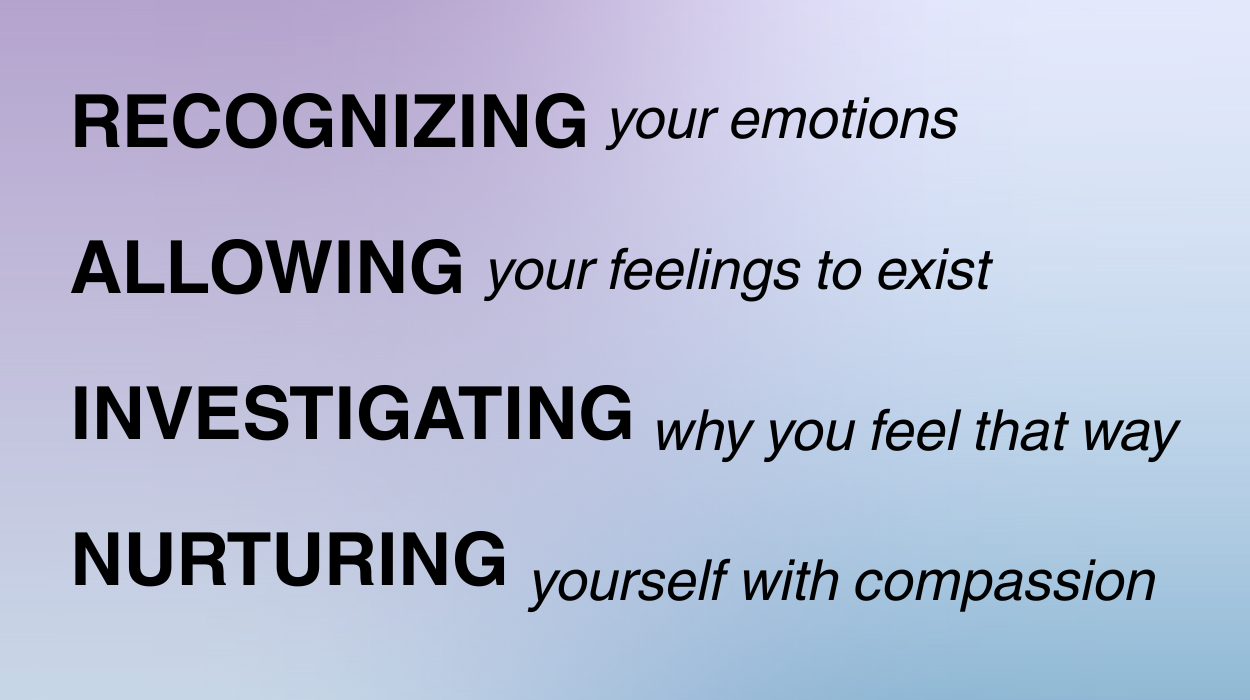
He said that students often feel “analysis paralysis” due to overthinking, which in turn can lead to feelings of self-doubt and shame. Mourchid introduced a technique called RAIN — recognizing, allowing, investigating and nurturing — to turn anxieties into insight with a compassionate approach.
“When you label things, they have less power over you,” Mourchid said. “The more that you are reflective instead of reactive, the better relationships you will have with people.”
Before concluding the workshop, Mourchid asked each student to come up with a short but consistent personalized mindfulness routine. One student stated that they would start each morning by setting a mindful intention for the day, while another stated that they would end their night with a body scan to break their cycle of ruminating thoughts.
Mourchid left students with a final reminder to be patient with themselves despite the anxieties of finals week.
“It’s not about perfection,” Mourchid said. “It’s about showing up for yourself every day.”
Mourchid hosts weekly Mindfulness Meditation Circles in the Fish Interfaith Center. Dates and times for the spring semester are to be announced.