
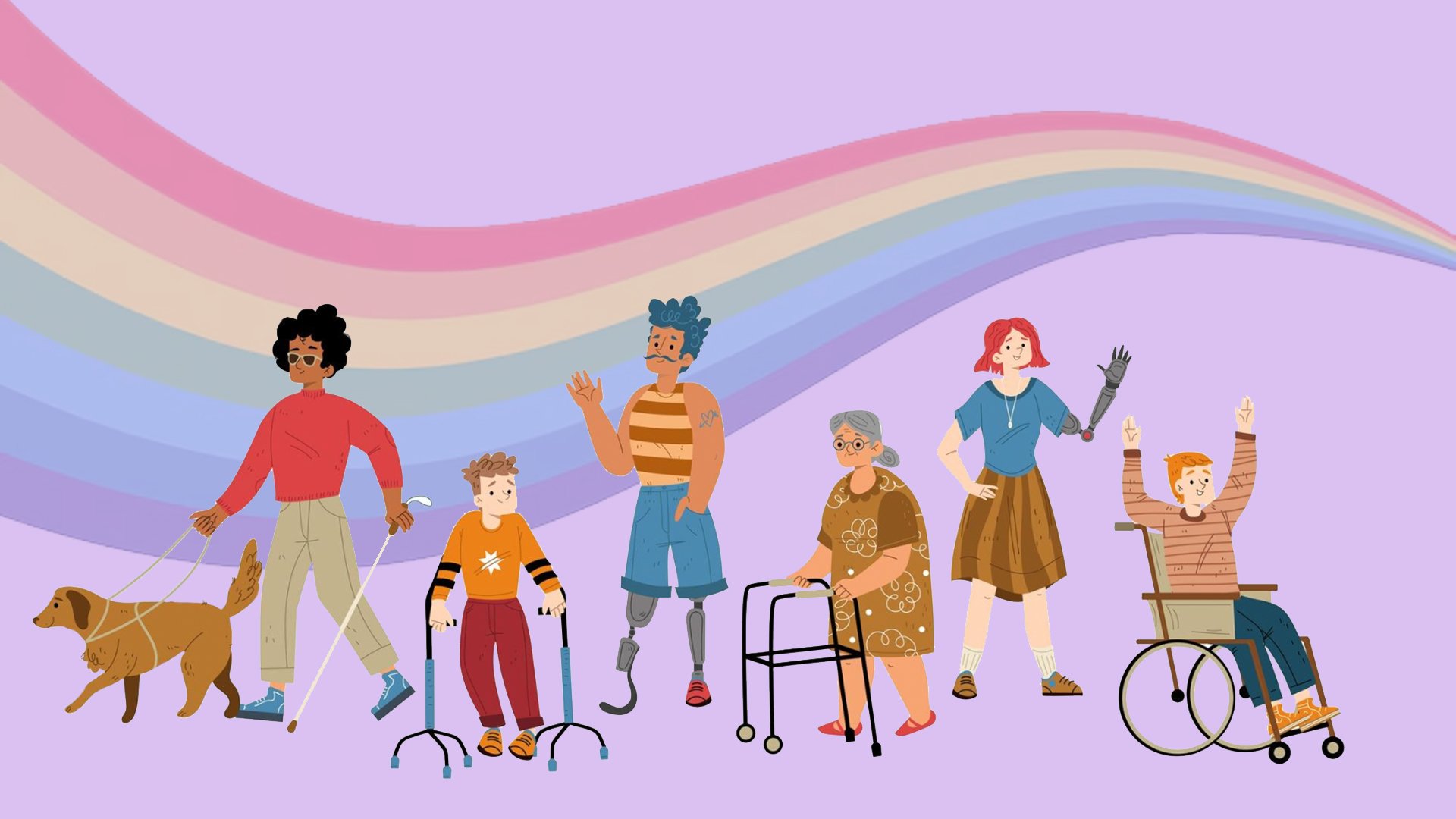
Graphic by Matias Pacheco-Ramirez, Photographer
Since the beginning of time society has been fed the false narrative that people with disabilities are incapable, and the sad part is we’ve accepted it. We never learned to grow up and learn why. There are huge numbers of people who are oppressed, harassed and bullied on a daily basis. It doesn’t happen because people are “different.” It does happen because there is a major inability to see the other perspective and hear the other side of the story. Without understanding, we cannot learn, and society is filled with false, unconscious biases we don’t cure.
The worst part is, so many still don’t care. Not until it is them in the face of disability.
I remember being in my elementary school classroom and there was a kid who had autism and the kids were so mean to him. The same thing happened in middle school, still kept going on in high school. We’re adults now and I find it totally disturbing that a majority of society still acts like high school bullies.
One of the most underrepresented and understudied subjects is disability studies. Disability studies is defined as the interdisciplinary study that examines the social, political, cultural and economic factors surrounding disability. In my opinion, the courses I’ve taken while studying this subject have given me more insight into human psychology and sociology than I would have gotten from taking a psychology or sociology class.
Disability studies was first developed in the 20th century by activist scholars and advocates who sought to build community and understanding surrounding those with disabilities. Facing large amounts of oppression based on false narratives and subconscious biases, people with disabilities are in danger of harassment, harm and inappropriate medical analysis. Disability studies plays a crucial role in understanding those who are underrepresented and ridiculed in our everyday society, and it's time we start paying attention to how much we really are brainwashed by what is supposedly “normal.”
Teachers, advisors, and even medical professionals are still misunderstanding those who have disabilities that come to them. All throughout middle school and high school I felt mistreated because none of my teachers knew how to work with me because I have a visual impairment. I had just moved school districts and they put in three different classrooms until they found the right one for me. And I remember thinking that if they just kept me in the original classroom and asked how they could best accommodate me, no one's time would have been wasted. It goes back to the lack of understanding the other person’s point of view.
I find it incredibly beneficial for students and teachers to educate themselves on this topic because it goes beyond just learning about disability. Disability studies is an in-depth exploration of human nature that compels you to look at the harsh barriers society imposes on those wronged by higher authority.
My minor is disability studies, and the courses I’ve taken have really impacted my life outside the class more than inside. I’ve read tons of stories from different disability advocates and scholars and learned so much about life through their eyes. That’s the thing people don’t see — people with disabilities have a much better outlook on life. I learned this term in one of my classes; it's called “inspiration porn.” Derogatory, I know. It is a term described by disability activist Stella Young. Society tends to view people with disabilities as inspirational people. “If this person in a wheelchair can get out of bed and go to work, so can I (a non-disabled person).” This is essentially a way to exploit disabled people and make non-disabled people feel good about themselves. It is a harmful and unfair mindset.
People with disabilities don’t inspire us to be better. People with disabilities teach us to have compassion and understanding. They have unique abilities and perspectives society can learn from; they have a greater gift than anyone else could ever have. Having a disability doesn’t mean it's the end of the world, it is an opportunity to start new beginnings.
The human brain has the ability to adapt; it's called neuroplasticity. Adaptability is one of the strongest skills you can have in any field you work in. Because people with disabilities have been surrounded by work in a world that doesn’t prioritize them, they have to think outside the box. People with disabilities can be just as creative and brilliant as anyone else, but society struggles to understand that.
Disability studies teaches you what it means to be someone other than yourself. The greatest gift humanity can ever experience is the opportunity to see life through someone else’s eyes other than your own. Our everyday life consists of so much of the mundane. The tasks we do every morning and evening without even thinking twice. We wake up and make breakfast, drive to work and chat with our friends, dance and play. What we fail to acknowledge is that one day those things will not be so easy or so accessible. We are not immune to the harsh terms and conditions life insists upon us.
I strongly encourage everyone to explore disability studies, either by taking a course in school or by setting time aside to do some research this week. There are so many unresolved problems and missed opportunities for people because they simply don’t care to see anything other than the mundane.