
Opinion | In 2025, piracy is ethical
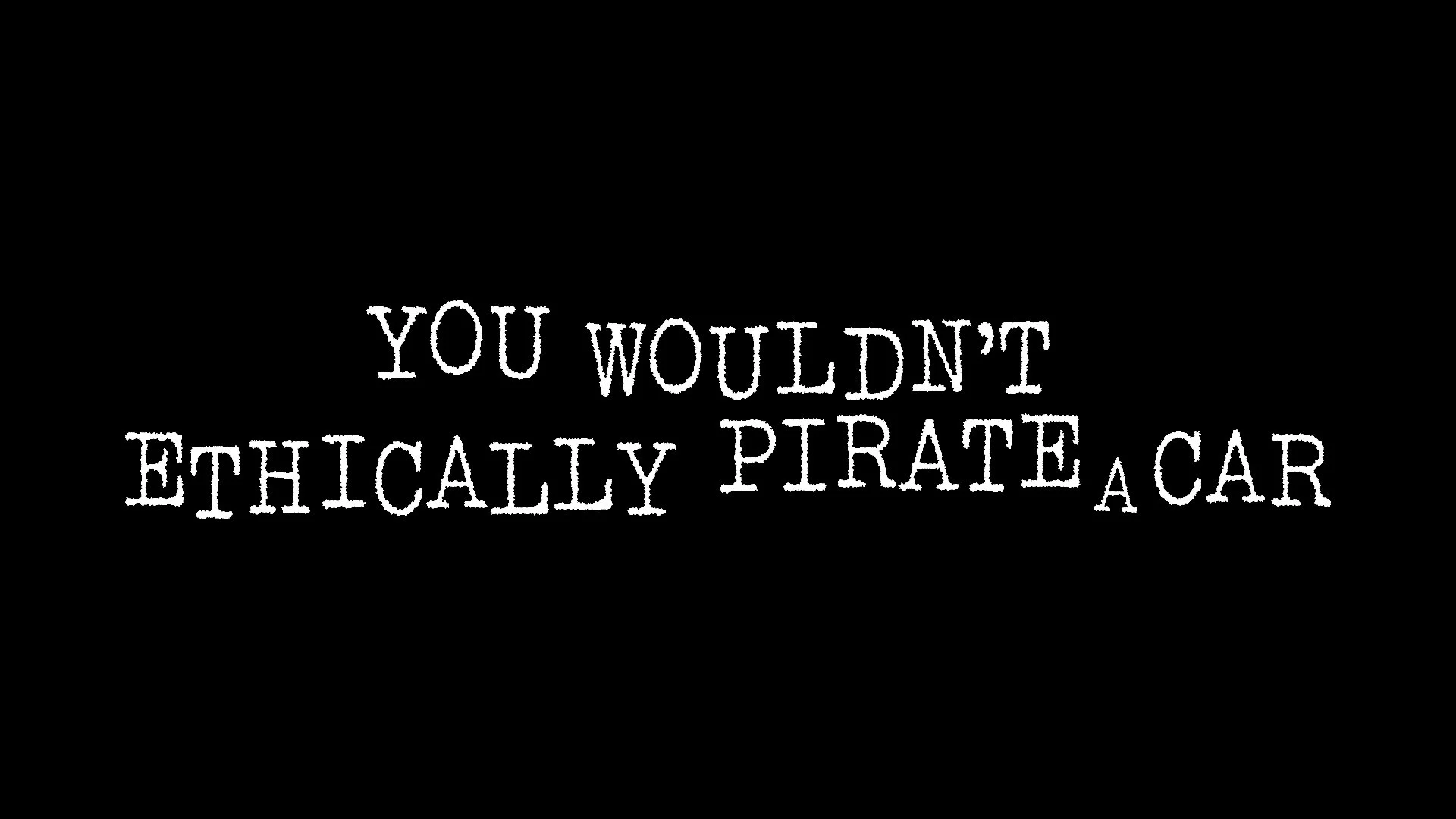
Graphic by Easton Clark, Photography Editor
“You wouldn’t steal a car. You wouldn’t steal a handbag. You wouldn’t steal a movie.”
This commonly-memed quote from a 2004 anti-piracy PSA has been the basis for discourse on media piracy for years. As the advert rightfully highlights, the bottom line is that pirating media is theft that takes money away from the media’s creators. But that PSA was over two decades ago.
Today, streaming conglomerates have reconstructed the fundamental economic structure of how creators are compensated for their work and media censorship has become commonplace. To anyone in 2004, the current media landscape would be entirely unrecognizable. It’s well past time that we reassess our views on piracy.
In the face of media monopolization and increasing authoritarian political influence, I believe that piracy has become an ethical way to engage with media from large corporations.
My recent contemplation of piracy’s ethics started with the suspension of “Jimmy Kimmel Live!” Like many others across America, my family made the decision to cancel our Disney+ and Hulu subscriptions. This is problematic, as series like “The Bear” and “Phineas and Ferb” are commonplace in my family’s media diet. Yet, as it’s difficult to support a company with political motives inching closer to the suppression of free speech, we chose to use alternative routes to access that content.
Following threats from Federal Communications Commission (FCC) chairman Brendan Carr, Disney, ABC and their broadcast affiliates such as Nexstar and Sinclair Media stumbled to make a decision on the show. Ultimately, they decided to pull Kimmel’s show off the air until further notice, leading to the show’s six-day suspension.
The protests of Disney+ and Hulu subscription cancellations put pressure on Disney and ABC to bring the show back. Although Kimmel has generally returned to air as of last Tuesday — apart from airing on Nexstar’s channels — Disney’s choices in the scenario are nonetheless alarming.
Bringing Kimmel back on air isn’t a sign of Disney’s allegiance with the consumer; in many ways, it’s the opposite. Disney’s choices boil down to inherently monopolistic practices. Suspiciously, Nexstar Media is currently seeking FCC approval of a $6.2 billion merger, and are doing everything to appease the current administration that the FCC serves. As Trump and Carr appear to be shifting their focus towards NBC with threats to cancel Jimmy Fallon and Seth Meyers, it’s important to stick to these tactics and not be afraid to pirate media when streaming platforms are run by corrupt political business practices.
Disney’s hesitancy with the entire situation and refusal to immediately stand up to the FCC’s suppression of free speech highlights their lack of a moral backbone to make any meaningful decisions at a time when vocal political opposition is crucial. Why should we pay to watch content when our money continues to support openly anti-consumer practices in the current media ecosystem?
This level of corruption among new media conglomerates isn’t a conversation topic specific to 2025. Many of these concerns have already been raised during the 2023 SAG-AFTRA and WGA strikes, which sought to reform the streaming model in its compensation of artists.
Yet, in spite of promised streaming bonuses for writers and actors on streaming projects, many projects haven’t hit the expected payout for SAG-AFTRA and WGA members. Studio executives continue to get richer while subscription prices continue to rise without any notable change in payment for creatives.
It’s time for us to realize that the streaming model is broken, and it has been from the start. Existing digitally, these movies and shows released on streaming platforms are subject to being erased without warning, such as Disney’s “Willow” TV series, which is currently unavailable to watch through any legal means. We no longer own the media we pay to watch. In this sense, piracy isn’t only a method of watching movies for free, but it has also become a crucial means of preserving media.
There are still movies and shows that speak out against this broken system. Take, for example, the ongoing feud between John Oliver’s “Last Week Tonight” and HBO, where Oliver throws jabs at HBO and its parent company, Warner Bros. Discovery, for their continued mergers and conglomeration. But when these pieces of media are only part of the larger system they seek to critique, not much change can really be made by watching this content on streaming platforms that continue to fund the motives of corrupt studio executives.
To make any meaningful change in how today’s media compensates creators and advocates for free speech, it’s time for us, the consumers, to start speaking with our wallets instead of feeling good about ourselves for passively watching late-night comedians make the same remarks night after night.
Piracy isn’t a perfect system. It’s riddled with malware, often poor in quality, and it’s obviously important to support artists where you can. But rather than perceiving piracy as “theft,” the real focus should be on the “theft” enacted by streaming corporations that refuse to compensate artists and degrade the demands of consumers to dollar signs that line their ever-expanding pockets.