
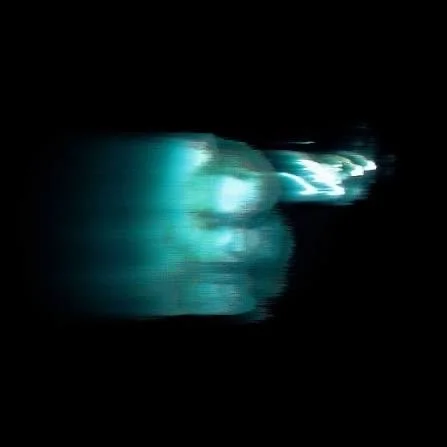
The cover art for Phoebe Bridgers’ third studio album, Lost Weekend; Photo Courtesy of Dead Oceans.
Released Aug. 14, “Lost Weekend” is Phoebe Bridgers’ return to music after a two-year hiatus.
A mix of “Preacher’s Daughter” and “OK Computer,” “Lost Weekend” lets Bridgers’ artistry and lyricism shine. From ambiance to bluegrass and from love to loss, Bridgers balances experimentation, vulnerabilities and control.
Sticking with her classic indie folk style, Bridgers also experiments with ambient and electronic genres. Banjos, guitars, vocoders and synths are all at play on the album.
“Lost Weekend” is a reference to Bridger’s hiatus from stardom that she began in 2024, and many tracks detail her disillusionment with fame. Songs like “Never Going Back!” center around the death of Bridger’s abusive and alcoholic father, a theme touched on in other songs of hers, like “Kyoto.”
Unlike her past albums, “Lost Weekend” leans into its quiet, distorted nature.
“The Outside” begins with Bridger’s voice processed through a Vocaloid machine, a robotic departure from her indie folk roots but a fitting musical metaphor for the dissociation she explores on the album.
Songs like “Lost Boys,” “Governor’s Waltz” and “Panorama” return to Bridger’s more folksy inspirations.
“Kill Me” is a hazy track, with a sound that's more introspective. Bridgers explores mortality, love and fear in her repeated chorus: “This is gonna kill me / Wait.”
The instrumentals do just as much as Bridgers’s airy singing. An explosion of guitars, pianos and even a church organ creates a sense of panic and release.
“Bobby” sounds like new love. The pulsing beat, ever-present in the instrumentals, mirrors that of a beating heart.
Bridgers repeats the theme of endings, singing “This could be the end / Of wanting,” giving the familiar sentiment a positive spin. Still, the sample near the end of the song begs the question if the relationship is true or a scam waiting to be exposed, adding the musical and lyrical depth Bridgers is known for.
“Lost Weekend,” the title track, is a haunting confessional.
The song begins as one of the calmer tracks on the album, interrupting the chaos to create a sense of grief, intimacy and quiet terror. Then, synths, banjos, guitars and quick breaths interrupt the peace, feeling like a lifetime of emotion packed into a minute.
As the title track, “Lost Weekend” feels like a summary of the album itself: intimate and restrained one moment before suddenly becoming overwhelmed by everything Bridgers has spent years trying to process.
“Haunted” brings Bridgers back to her trademark ghost motifs. Featuring bandmates Lucy Dacus and Julien Baker, the track is surprisingly upbeat and folksy.
The song shifts when Bridgers’ voice comes in, heavily distorted, singing “If you’re drinking / Then I’m drinking,” a return to her theme of disillusionment and dissociation.
“Still Standing” is deeply personal and intimate, a true gut punch on an album full of melancholy.
The power of the song does not come from any explosive instrumentals, but Bridgers’ own bareness and vulnerability. She sings, “Pound for pound in a prom dress / You tried to make me afraid / We were both shining / Feeling indifferent, wearing black / Sometimes I want you back / But not today.”
“Liberty Tree” is a jarring return to upbeat happiness, the album’s progression similar to the ups and downs of life, with hardly any pause in between.
The drums shine on this track, sounding like the pounding of sneakers on concrete and the youth Bridgers and her lover are trying to hold onto.
“Never Going Back!” grapples again with Bridgers’ loss of her father, according to AP News. The track, composed of a voicemail from her father and airy, removed vocals, adds even more vulnerability to the already experimental and intimate album.
“Other Plans” and “Lost Parade” continue the melancholic atmosphere, both short and pleasant, though forgettable tracks.
“I Can’t Wait” builds up to its climax, a folksy harmonica solo. Bridgers plays with dual meanings and identities as she sings “Hyde, Jekyll, Hyde.”
“As Above” bridges the themes of love and loss presented in the album. Here, Bridgers explicitly ties her newfound love to her fears of death and aging, a culmination of all of the emotions presented in an album bursting with feeling.
The final track, “Lost Weekend (Reprise),” returns to the album’s ambient start. Once more, Bridgers’ personal lyrics, coupled with the haunting instrumentals, create an emotionally touching atmosphere that both depresses and uplifts through its vulnerabilities.
The album’s biggest weakness is a consequence of its greatest strength. While many tracks are deeply personal and resonant, “Lost Weekend” is better listened to as an album in sequence, as some tracks don’t make for good casual listening.
Although Bridgers is known for her lyricism and honesty, the album doesn’t feel like a rehash of her old works. Instead, she’s returned with new relationships, new insights and new wounds to examine. “Lost Weekend” turns Bridgers’ grief and love into something entirely her own. If this is what Bridgers found in her lost weekend, maybe getting lost was worth it.