Review | ‘Best of the Best’ laughs through the pain
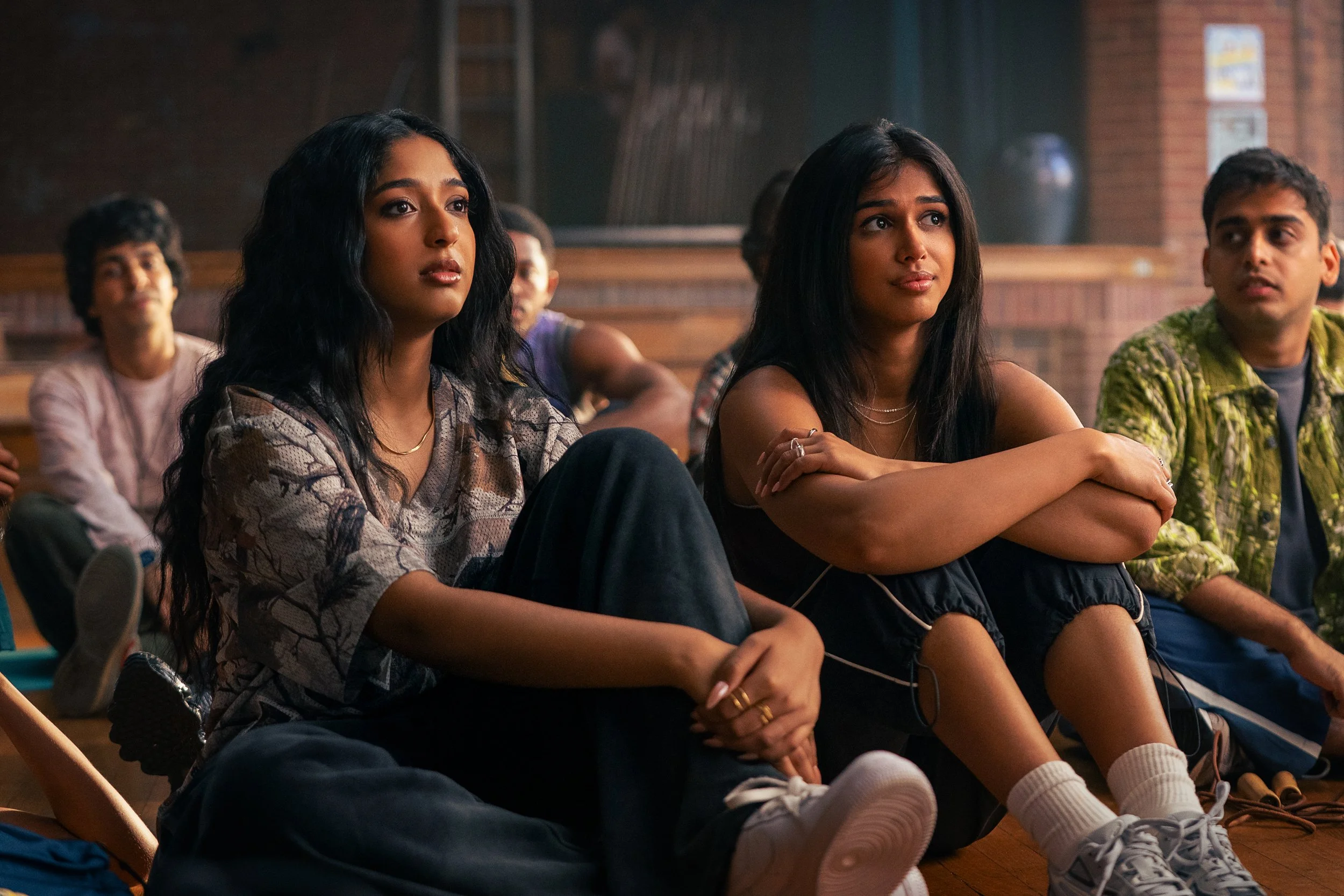
Courtesy of Netflix.
There's a lot of awkward, a lot of messy, and a lot of fun all wrapped in a Taco Bell wrapper.
“Best of the Best” is a new Netflix original is an entertaining and relatable comedy that has remained in the top 10 for two weeks. After watching, it’s clear why.
The film follows childhood best friends Maya (Maitreyi Ramakrishnan) and Anjali (Priyanka Kedia) as they enter University of California, Los Angeles (UCLA), joining the highly competitive Bollywood dance team. What starts as just another shared experience between the two friends quickly throws them off their game as long practices, team drama and the pressure to win the championship divide the duo. The two fight not only for their unity but more importantly, their individuality as they grow into adults and learn to live independently.
Maitreyi Ramakrishnan, best known for starring as Devi in Netflix’s “Never Have I Ever,” plays Maya, full of powerful energy and a strong sense of self — yet always standing in the shadows of the beautiful, likeable Anjali, played by Priyanka Kedia. Directed by Lena Khan, this lovable duo’s story grabs the audience for its entire two-hour runtime
The characters and their dynamic are very realistic to what a college freshman feels while they're adapting to adulthood. It’s rare for writers of streaming media to get the feel of Gen Z dialogue right — oftentimes, attempts are a swing and a miss, but the writers of “Best of the Best” did a phenomenal job capturing the dialect, humor and actions of a typical Gen Z teen. The characters speak naturally rather than feeling like adults mimicking today’s teenage slang.
From the quick slang and awkward interactions, the film understands Gen Z comedy. These small details make Maya, Anjali and the other college students feel like people the intended audience of young adults can actually meet on their college campus.
Although the film is a comedy, it discusses many highly realistic and common internal struggles faced by young adults, especially regarding when identity co-depends on another individual. Part of growing up for Maya and Anjali is detaching and learning how to support the other individually.
“Best of the Best” also finds relevancy through the feeling of being unseen. Maya feels invisible next to Anjali, and often is told to brush it off. Anjali herself tells Maya to ignore the people who make her feel this way, making her blind to her friend's struggles. This is a growing pain the friendship has to address, which is a learning curve most young people feel to an extent.
This story understands that growing up is not just about figuring out who you are, but learning how to make space for all those around to do the same. Maya doesn’t want attention, she wants to feel like she matters without having to compete to feel important. At the same time, Anjali learns the important lesson that being a good friend means being more than a shoulder to cry on or giving good advice. It's being able to recognize when someone is hurting in a way she simply could not understand in a situation she has never experienced.
This central conflict gives the film a vulnerability that makes the friendship feel less like an exaggerated depiction of teenage girls and their feuds. Rather, “Best of the Best” represents a bumpy (but impactful) version of young adulthood the audience may recognize in themselves.