
A dream deferred: Students renew effort to establish the first Black sorority on campus
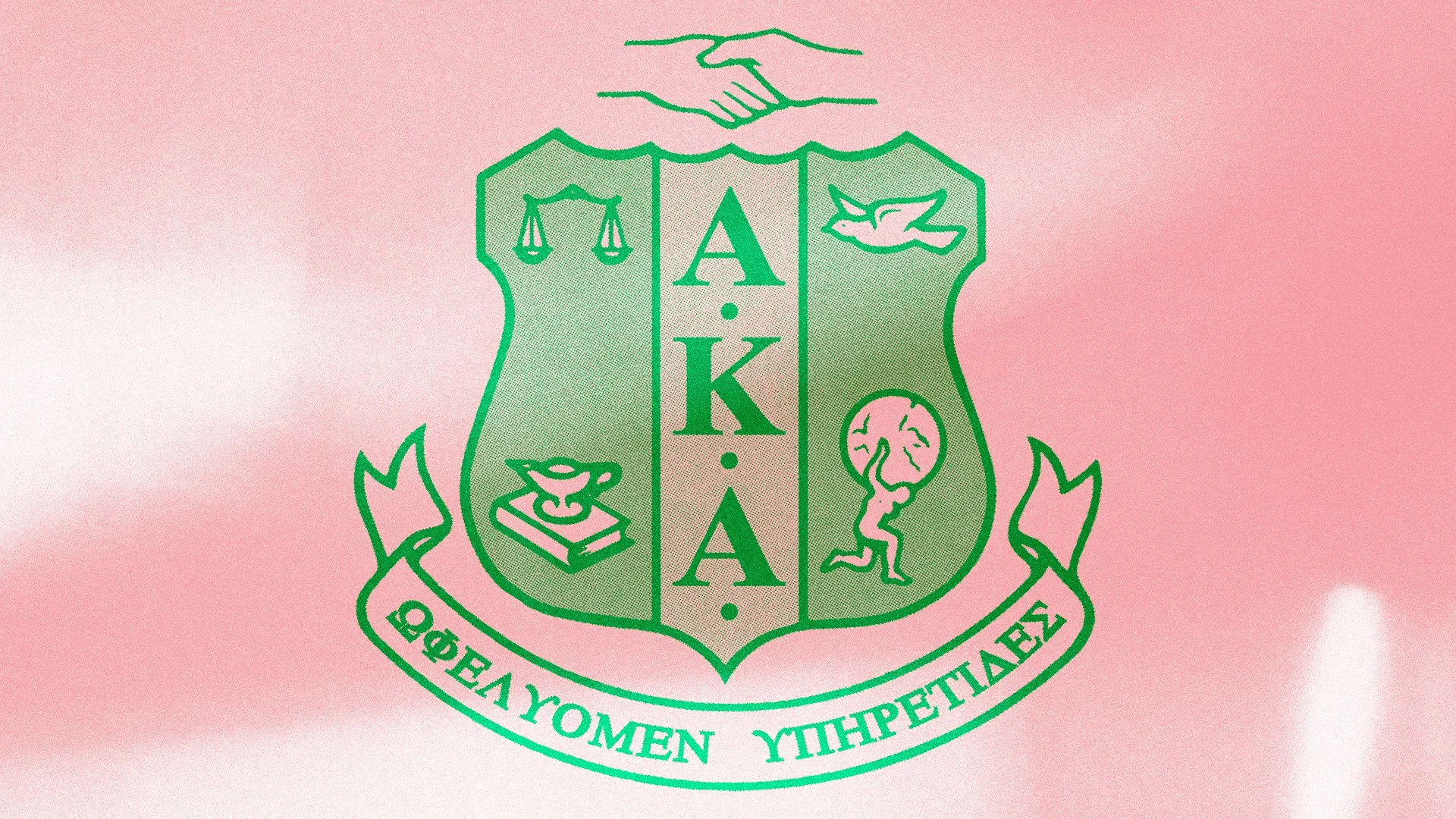
Graphic by Easton Clark, Photography Editor
In all 164 years of its operation as an institution for higher education, Chapman University has yet to establish a historically African American sorority on campus. There are two students looking to change that.
“The campus itself lacks a lot of diverse organizations. There is one POC (person of color) sorority on our campus, but I feel like there definitely can be more,” said Sienna Lewis, a junior public relations major and photographer for The Panther.
Beginning its legacy in 1908 at Howard University, a historically Black institution, Alpha Kappa Alpha (AKA) is the first Greek-letter organization established by college-educated African American women.
Lewis’s mom was an AKA, which encouraged her to begin the process of bringing the sorority to Chapman. She’s been working alongside Remi Edwards, a sophomore creative producing major, who was also looking for the opportunity to rush a Divine Nine (or D9, the nine historically Black sororities and fraternities) when she began attending the university.
“I remember being like, ‘Why don't we have any D9’s on this campus?’” said Edwards. “A lot of upperclassmen basically just said, you know, we just haven't had the opportunity to. We've been really trying to push to do it, but we keep fighting complications.”
Lewis and Edwards aren’t the first students to try and make this happen; they have a long line of predecessors who just couldn’t complete the task before graduating from Chapman. Senior communications major Taya Good-Smith has been waiting since her freshman year for the opportunity to join the sorority, if ever brought to campus.
“As a senior, it has always felt like a challenge to bring the AKA’s to Chapman,” said Good-Smith. “I’m pretty sure students have been wanting the AKA’s for years before I attended Chapman, too, because it was expressed by upperclassmen my freshman year. So, it’s been a while to say the least.”
Starting a sorority chapter on a college campus is a difficult and time-consuming process that can take up to three years. The first step is garnering interest on campus.
“We were able to get signatures of people who wanted to be AKA, were open to being an AKA or wanted it here on campus, and we got tons of signatures, which was incredible. That was the biggest thing that has never been done before,” said Lewis.
While there are clear signs of interest from students on campus, the next step is getting a sponsor of a local graduate chapter to volunteer their time to get the chapter at Chapman started.
“It's a huge time commitment to whoever volunteers, and it's also kind of a risk,” said Edwards. “So if we have so many girls say that they want to commit to it, and then someone pulls out and our numbers drop, then someone's committed their time, it's kind of like trying to find a middle ground between these people.”
Considering efforts at the school haven’t been successful in the past, sponsors are reluctant to try again this year. Jaclyn Dreschler, the associate director for student involvement, said finding a sponsor has been a roadblock.
“At this point, we have not been able to identify that group,” Dreschler said.
Although there hasn’t been much success in the past, Lewis is confident that she and Edwards will be able to make it happen in the near future.
“With the amount of effort we are putting in, it's just if a chapter in the area would be willing to sponsor us — and I feel like the moment we get a yes from someone, I would be over 100% sure that it would be happening within the year,” said Lewis.
There are many sororities available to rush on campus, but students who had hopes to rush a historically Black sorority in college simply don’t have the chance to. Edwards is motivated to bring more diverse rush opportunities to the table.
“I had a friend rush the other sororities on campus just because she wanted to be in a sorority, but her real goal was to be an AKA, and we just didn't have an opportunity,” said Edwards.
Having more options for students to choose from and creating more diverse Greek life opportunities is ultimately the goal of these students. And even when they don’t succeed, their motivation keeps them trying.
“At first, I was a little disappointed with all the attempts made without the goal being accomplished,” Good-Smith told The Panther. “But seeing students and our BSU (Black Student Union) advisor, Misty Levingston, continuing to stay persistent keeps me inspired and hopeful.”
Chapman saw the introduction of its first-ever Latina sorority in 2023 and Latino fraternity earlier this year — milestones for a predominantly white institution. Despite the obstacles in front of them, Lewis and Edwards are hoping they can make their own history this school year.