
Frame by frame, Stop Motion Club brings stills to life
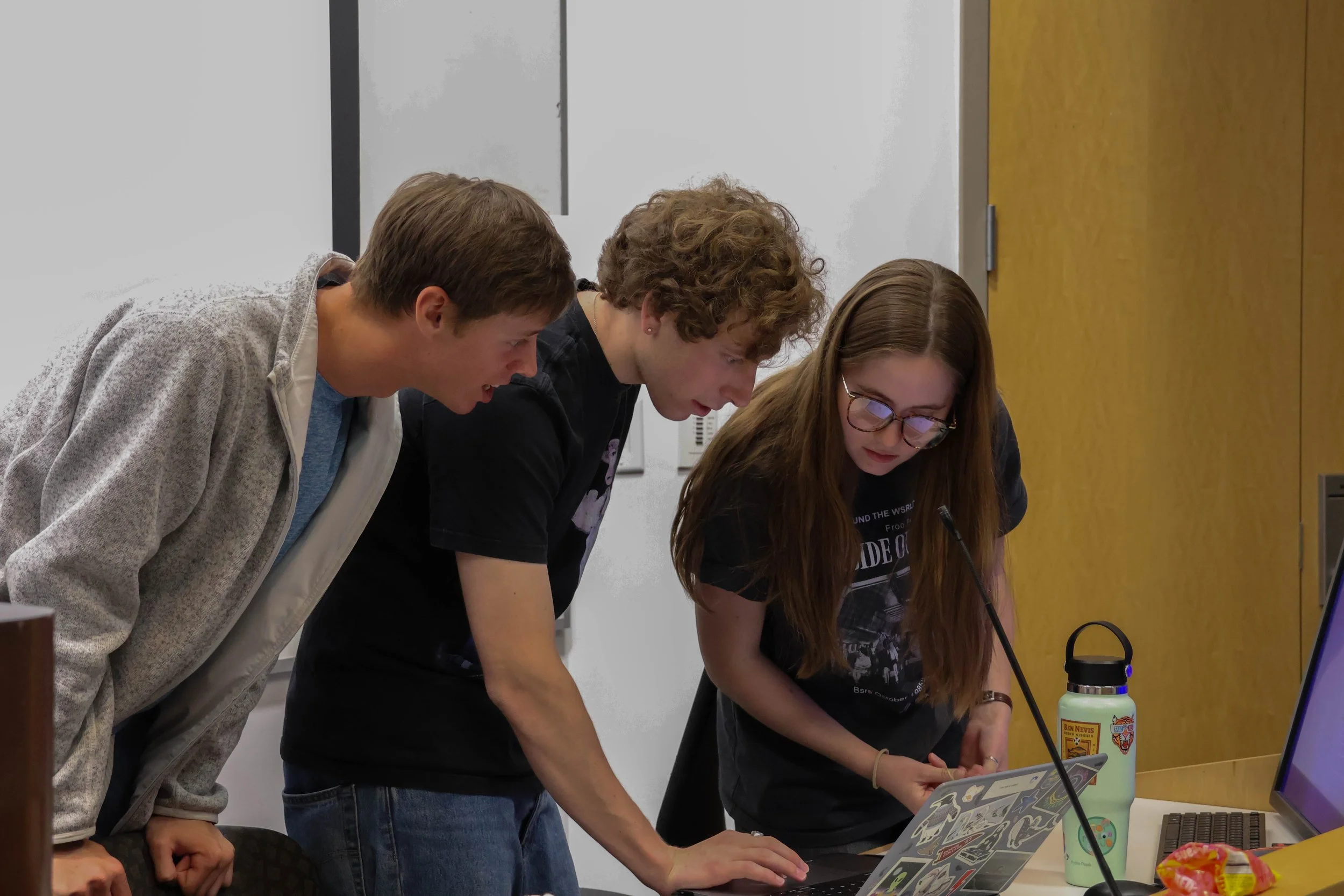
Photo by Trinity Johnson, Photographer
It is common to run into a group of students filming on campus. Cameras rolling, they run through the halls, occupy every bench and do takes over and over again. This fast-paced life has become the norm for many film students on random afternoons. However, within the “lights, camera, action” lies a medium that requires patience and moving slowly.
The Stop Motion Club takes time creating frame-by-frame artwork to create real-time masterpieces with clay. Unlike live-action filmmaking, where each scene unfolds in seconds, stop-motion animation requires careful adjustments to the characters and objects, one small movement at a time.
Each tiny change is photographed, and when the hundreds of images are played in sequence, the illusion of constant flowing movement comes to life. What appears on screen as a few seconds of animation takes hours of precise work behind the scenes.
“Stop-motion is a meticulous, time-consuming process, so each movement a character makes could take 20 to 30 pictures,” junior film and television production major and club co-president Jake Silber said. “Even though it is a challenge, it is also part of what I enjoy about stop-motion — it almost feels like time stops, and you can be present and in the moment.”
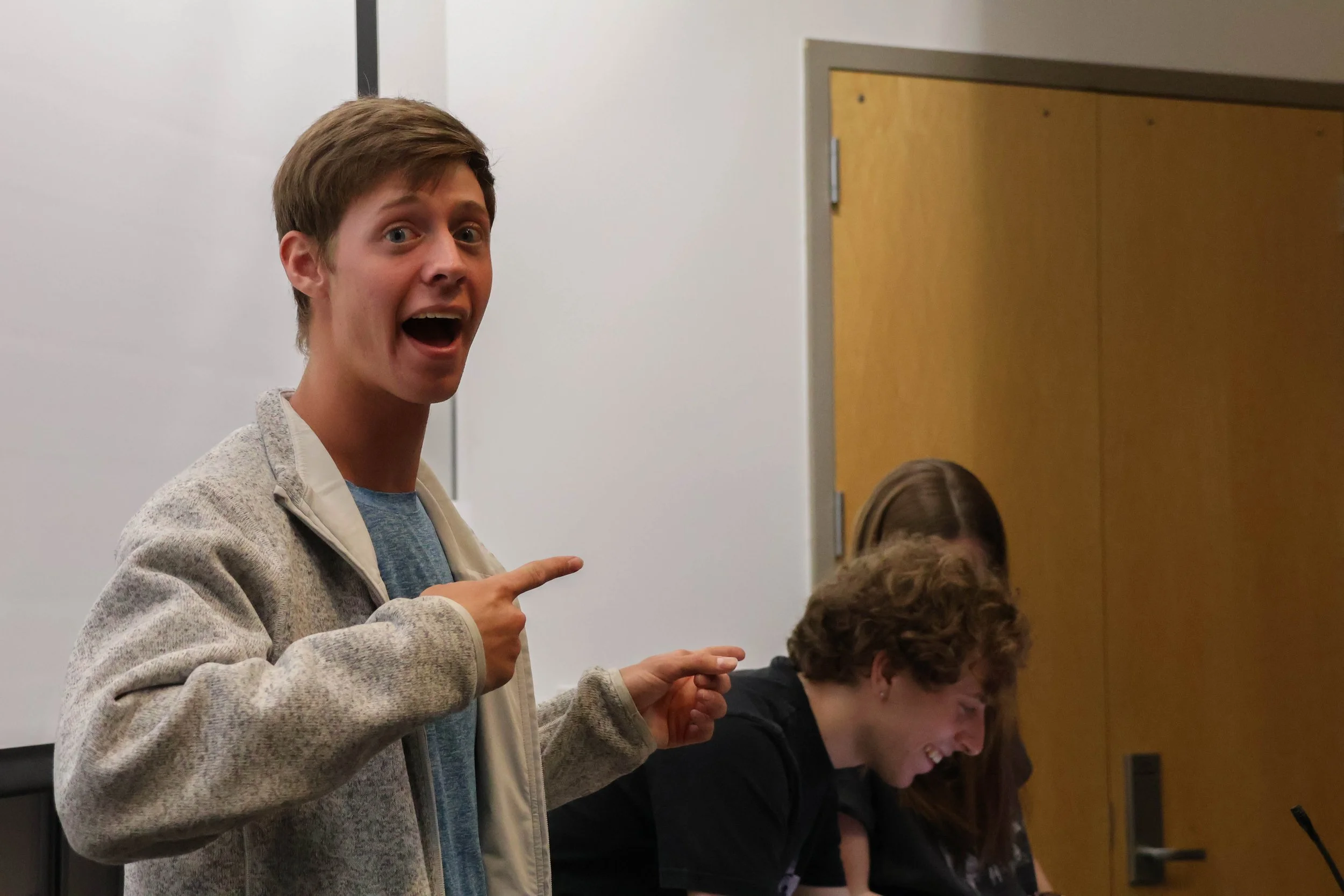
Photo by Trinity Johnson, Photographer
While the process of creation can be painstaking and time-consuming, the careful craftsmanship behind each frame is exactly what makes the medium so powerful and rewarding.
“Since it's cultivated frame by frame, there's an incredible level of attention to detail and craftsmanship,” freshman film and television production major Lily Andrews said. “Each movement has to be physically created, and that level of intentional curation can lead to really emotionally moving and resonant results.”
Part of the fun also comes with the exploration of props and materials that are not typically used in everyday film creation.
“It will be cool to see what types of stop-motion the club explores — claymation versus model stop-motion, and what genres people explore within this medium,” Andrews said.
The process from starting the storyboarding to finishing the animation is a long one. Each phase contains new challenges, whether it’s planning the narrative, designing the characters or capturing the hundreds of frames needed to create the seamless movement. What keeps the animators motivated and the process meaningful is that challenge being paired with moments of excitement and discovery along the way.
Photo by Trinity Johnson, Photographer
The meticulous nature of the stop-motion process highlights both the artistry and challenge of the form. While working in such a hands-on medium requires immense patience and effort, filmmakers must also factor in the complexity of capturing the emotional depth audiences expect from more traditional films.
“It creates a very intentional attention to detail and deep engagement with the craft,” Andrews said. “Many feature-length stop-motion films evoke such strong emotion, which really shows how powerful this medium can be.”
With so many tasks to accomplish in a short amount of time, the club relies on each member’s unique strengths and ideas to create a strong sense of collaboration.
“Collaboration is essential in any project I work on, especially with stop-motion. Each person has a niche they specialize in; it could be anything from storyboarding to building puppets to gaffing,” Silber said. “It is crucial that we are all communicating and on the same page, so that when one department finishes and passes along their progress, the next department knows what to expect and is prepared.”
In an industry that often relies on speed, stop-motion offers a different and unique rhythm. It takes a village to produce any film, but through stop-motion, each frame requires patience, intention and collaboration, reminding filmmakers that sometimes the most beautiful stories are created not by moving fast, but by slowing down.