
The roommate honeymoon phase
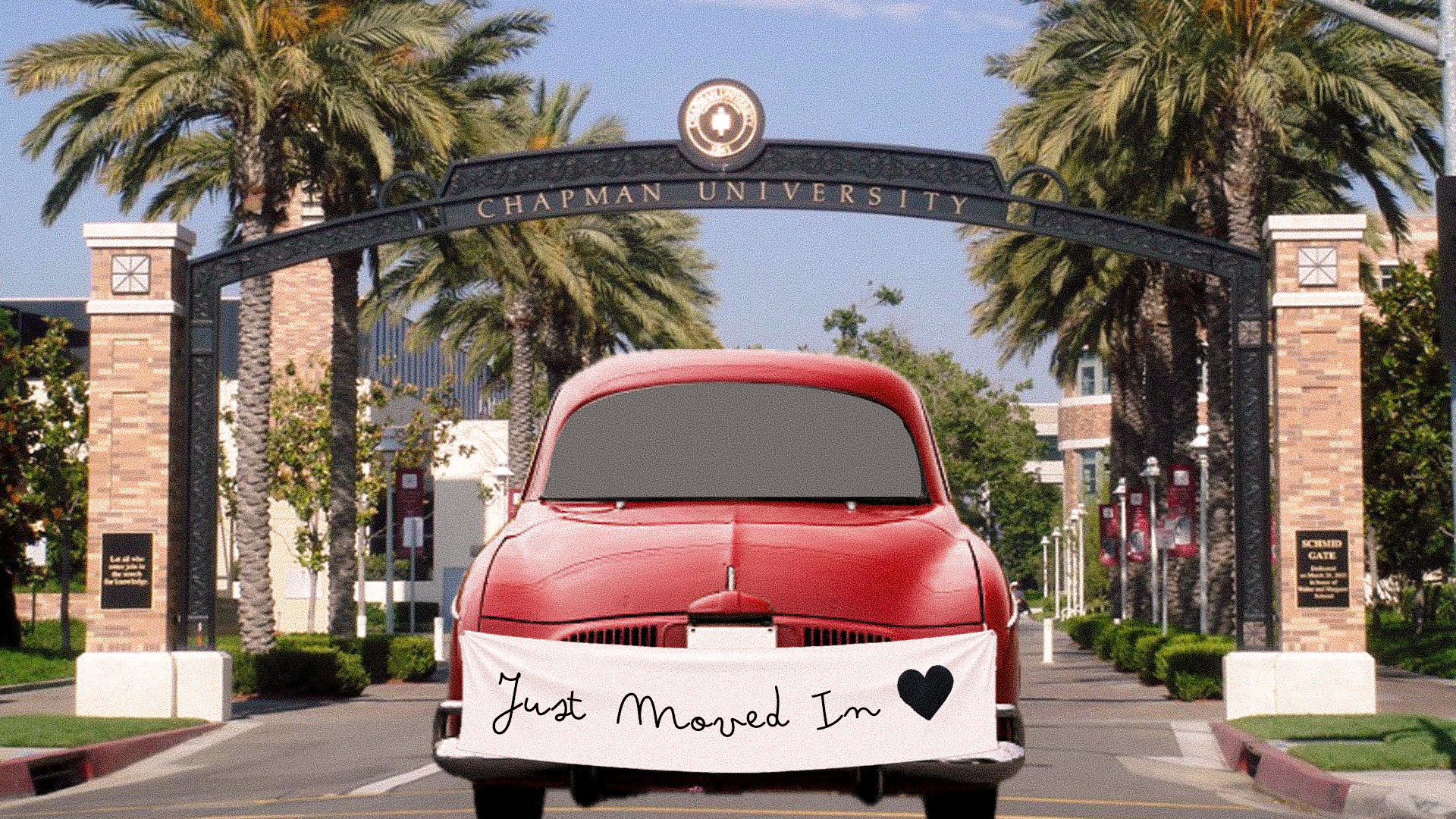
Collage by Riley LeBlanc, Photographer.
The first few weeks of college living with new roommates can feel like an endless slumber party. Late-night debriefs, spontaneous food runs and the excitement of independence make sharing a room with friends seem effortless. But eventually, dishes pile up, the trash consistently needs to be taken out and the tiny habits that once went unnoticed start to become the forefront of the living environment.
As this honeymoon phase begins to fade, students face a new challenge in college; learning to navigate different routines, boundaries and compromises while figuring out how to live independently — together.
“The roommate honeymoon phase happens at the very beginning of the year when you meet your roommates for the first time; your apartment is clean, and school is just starting where everything is exciting and low stress and you don’t know each other that well yet,” sophomore broadcast journalism and documentary major Aivree Watkins said. “Once the honeymoon phase wears off in a positive sense you can hopefully really be yourself around your roommates, make true friendships with them and be able to exist together quietly when you need to.”
A major unavoidable aspect of sharing a room with someone else is having different class, sleep and social schedules. With constant events and a work hard, play hard dynamic, roommates must work around each other to ensure both are able to take care of their mental and physical health.
“When I moved in with my roommate, it took some time for us to adapt to each other's schedules, but after a couple of weeks I started to learn when he would get up, go to sleep and go to classes,” sophomore film and television production major Sam Rosenthal, said. “I wake up before him and go to sleep earlier than him, so in the mornings I try to be conscious of how loud I am, and he does the same when I go to sleep.”
When sharing a space, disagreements are bound to happen. Whether it's one roommate taking the trash out for the fifth time in a row, a constant battle over the thermostat or blinds opening a little too early in the morning, even the smallest habits can become a source of tension. It's not the disagreements themselves that determine the success of roommate living situations - it's how roommates choose to handle them.
“I think they should communicate all of the small frustrations so that it doesn't all build up inside of you and turn into a big issue later,” sophomore creative writing major Natalie Golovin said. “I think people need to learn to realize that they're not living alone and that the world can't just be adjusted to them. So they need to adjust to the person they're living with.”
When disagreement arises, the ability to communicate honestly and find common ground can make the difference. Rather than allowing the small frustrations and pet peeves to create tension and distance, addressing them can strengthen the relationship between roommates. Shared trust and respect can turn a shared living space into a genuine friendship.
“I’d say a great roommate to me goes past roommate and becomes a friend; they’re someone you feel comfortable around, someone you can talk to, someone you really enjoy living with,” Watkins said. “You don’t have any worries about bringing up issues with them, and you guys can meet each other halfway on things where you feel safe enough with them to bring up issues and you respect them and their needs.”
When it comes to fostering a healthy, deeper relationship with your roommate once the honeymoon phase ends, sometimes the relationship looks different than a friendship for some pairs — and instead is built on a foundation of mutual respect for each other's space.
“It’s okay not to force it if you don’t feel you’re going to have a super strong relationship or friendship with someone,” Watkins said. “But also if you want to get closer to your roommate, just ask (them) to do things or start up a conversation with them…the school year gets busy, but invite them to things you’re a part of, do things that you know they will really appreciate…if they’ve had a busy week and haven’t had time to clean, maybe you can vacuum or clean the kitchen.”
As students adjust to newfound independence and navigate the challenges of entering adulthood, learning to live with others becomes a valuable skill for college and beyond. It teaches communication, compromise and understanding that independence doesn’t mean doing everything your own way, so when the honeymoon phase ends and the reality of living with a roommate begins, remember that mutual respect comes from navigating living alone, together.