
Photos by Trinity Johnson, Photographer
Looking forward to a long weekend, junior business administration major Ali Holmes traveled to San Diego, planning to take the train back to school. But with high tides in San Clemente shuttering Amtrak’s service, Holmes had to beg for another way home.
“I had to bribe my mother into driving me back from Chula Vista to Anaheim,” Holmes said.
As Southern California prepares for a potentially strong El Niño, Holmes might not be the only one finding alternative transportation.
An El Niño event occurs when sea surface temperatures in the tropical Pacific become warmer than average. In California, El Niño conditions are often associated with increased rainfall and warmer temperatures. Its effects are expected to last longer this year, beginning in October and continuing through the winter, with precipitation potentially above average.
The incoming winter weather raises questions about how winter weather, high tides, coastal erosion and unstable tracks could affect passenger rail service along the Orange County coast.
On Sept. 21, Gov. Gavin Newsom proclaimed a statewide state of emergency to prepare for possible impacts from El Niño, including severe winter storms, flooding, landslides, debris flows and coastal flooding. The proclamation directs state agencies to prepare critical infrastructure, stage emergency supplies and work with local communities to reduce flood, landslide and coastal risks.
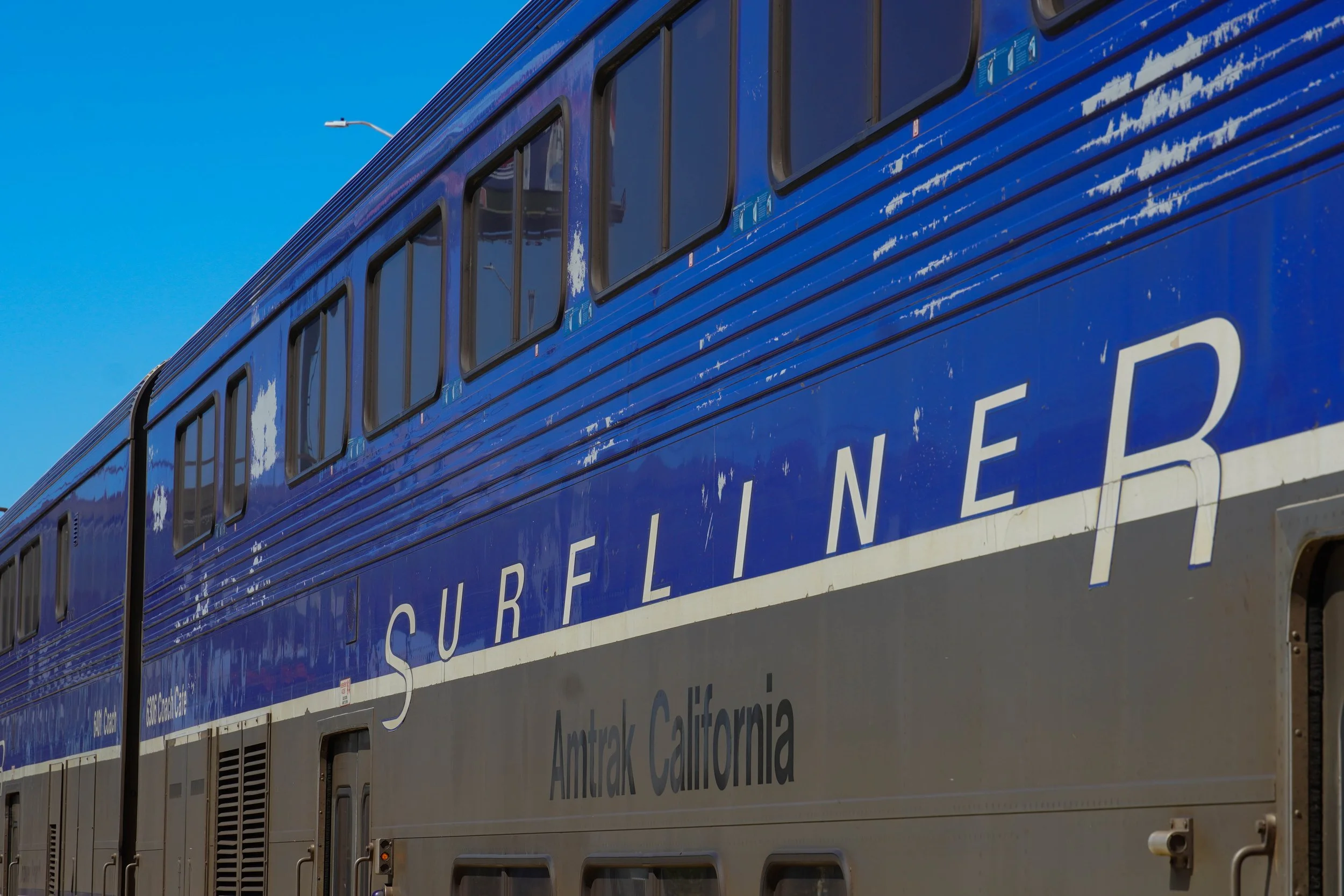
San Clemente’s rail corridor has already seen the effects of severe coastal erosion. A portion of the Pacific Surfliner train line running through the city was closed in early September. High tides and strong surf continued to damage the line after the storm over Labor Day weekend, and crews noticed additional damage on Monday night beyond what had been repaired the day before.
The Orange County Transportation Authority (OCTA) has now declared a state of emergency along Amtrak's Pacific Surfliner coastal route. The measure aims to expedite shoreline protection efforts, including the placement of approximately 690,000 cubic yards of sand to protect the rail corridor.
"Recent weather events have once again demonstrated the vulnerability of this critical rail connection and why we need to continue taking action to protect it,” OCTA Chair Jamey M. Federico said in a press release on Sept. 28.
For students traveling between Orange County and San Diego, the reliability of coastal rail service remains an ongoing concern. The San Clemente track is particularly vulnerable to coastal conditions, which means future disruptions could force passengers to seek alternative transportation.
“If the San Clemente stretch keeps facing problems, there's a chance service will be down for a long time,” Holmes said. “It would be great if there were another way to get to San Diego via public transportation.”
Some students rely on trains to get to and from campus; further disruptions to rail service can have an immediate effect on their daily routines.
Freshman film and media studies major, Angle Ochoa, uses Metrolink every day to get to campus. Her commute from Los Angeles begins with a 30-minute drive to Union Station, followed by a 45-minute train ride to campus.
“I use the Metrolink every day to get to campus since it’s the only thing available to get here,” Ochoa said. “I haven’t experienced any delays or complications with using the trains.”
Despite the possibility of winter storms affecting rail service, Ochoa said she is not currently concerned about disruptions to her commute, as the part of the line she frequently rides is not currently affected by high tides or coastal erosion.
As Southern California heads into the winter months, students who depend on passenger rail may be left navigating an uncertain commute. While Metrolink riders like Ochoa have not yet experienced disruptions, the damage along the San Clemente rail corridor shows how quickly coastal conditions can affect service.