
Loneliness is on the rise among Chapman students
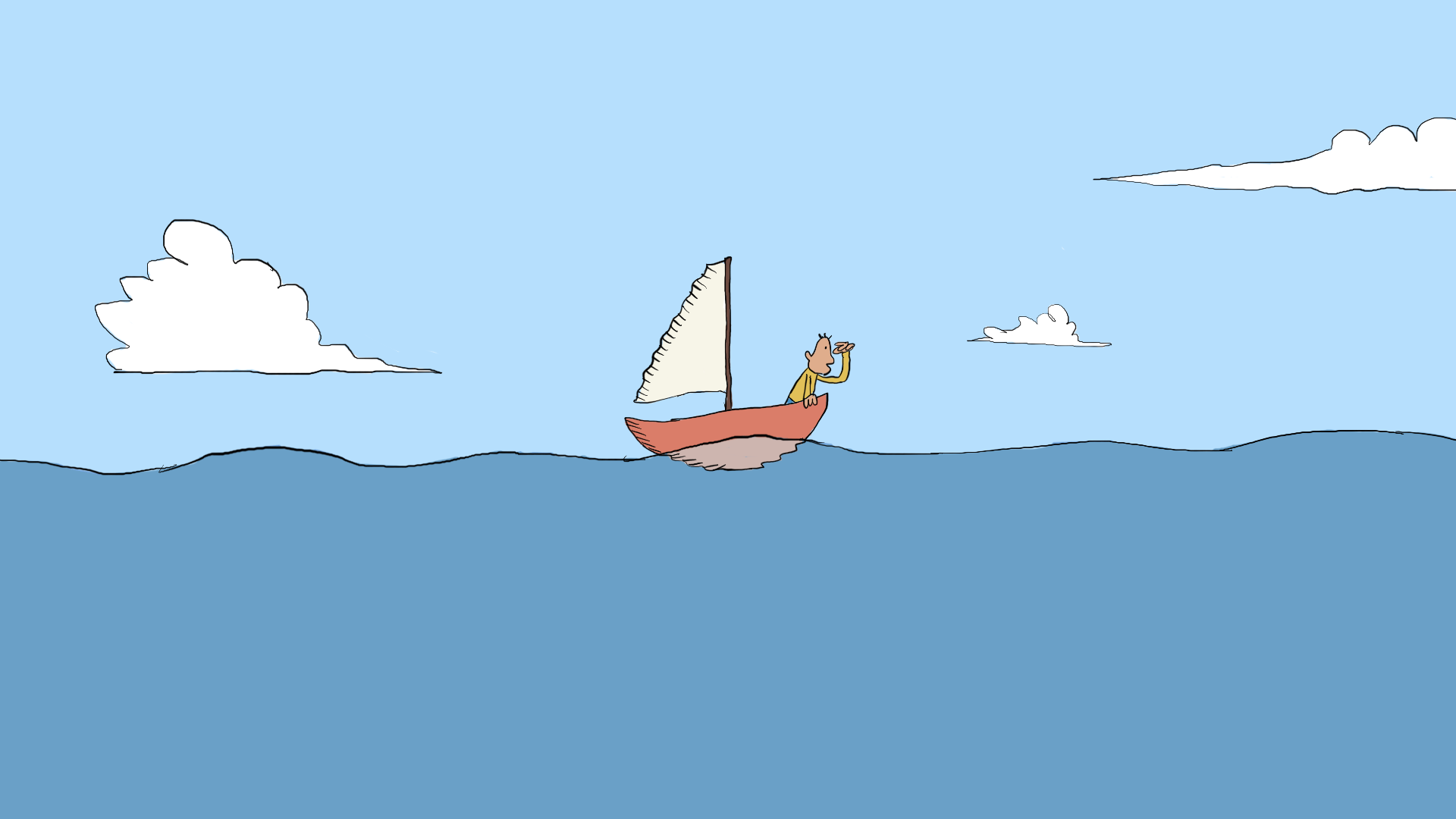
Illustration by Sami Seyedhosseini, Cartoonist
Everyone is always told that college will be where they will meet lifelong friends; the best four years of their lives.
But in recent times, it has been quite the opposite. College-age adults are now reporting that they feel lonelier than ever, and Chapman students are no exception.
This loneliness struggle is so widespread that it has been announced as a public health epidemic in the United States.
For one, the transition to college is a huge milestone for all students. For the first time in their lives, they are independent. This period of rapid change will affect everyone, no matter how prepared they feel.
Freshman business administration major John Gilliland highlighted this concern.
“I did realize it was harder to connect with people, and I think it's because it was such a new environment for a (first-generation) kid like me,” he said.
Gilliland also said this affects his family’s perception of him.
“Not having your parents to sort of walk you through it (is challenging),” he said. “You're sort of just on your own when you're a first-generation student, and (my) mom worries a lot.”
Gilliland's struggles with being a first-generation student are not a one-off occurrence. The National Library of Medicine agrees with his finding, stating that first-generation students are 22% more likely to struggle with loneliness and the other mental health effects that come with it.
Loneliness is not limited to just first-generation students. Junior communication studies major Taz Hellman detailed the effects that transferring colleges has on student loneliness.
“My best friend still goes to Arizona State University … we met while I was there,” he said. “Two of my other close friends went to Saddleback (College), and of course, I still stay in touch with them — we're incredibly close — but it's not exactly the same as when I was able to see them. It's a challenge. It's like starting all over.”
Hellman also elaborated on the challenges of being a commuter to campus.
“I live 45 minutes away from campus, (so) I don't get the opportunity to really meet people too often.”
While Chapman markets clubs and school events as an opportunity to connect with other students on campus, Hellman notes how the lack of communication and late club start times makes these opportunities inconvenient and less useful.
Without support from the university, the problem of loneliness will only get worse.
And while many are quick to call out the well-demonstrated connection between loneliness and mental health, communication studies professor Jennifer Bevan reminds people of the many physical effects loneliness can have.
“There's a whole body of statistics that find the more socially isolated or lonely that you feel, the higher your risk for dementia and depression and cardiovascular disease,” Bevan told The Panther. “The sort of highlight statistic from all this is (that) having a high amount of loneliness is equivalent to smoking 15 cigarettes.”
With effects as serious as these, the loneliness epidemic is something that needs to be improved. Bevan remains hopeful about this possibility.
“I also think (Gen Z students) are waking up to this and realizing this,” she said. ”So knowing that you all are acknowledging the problem and that being able to think about solutions is also a really good thing to see.”
There is no one cure for loneliness, but once people realize that everyone else is in the same position they are, it becomes a lot easier to manage.