
Rising gas prices push Chapman students to shuttle system
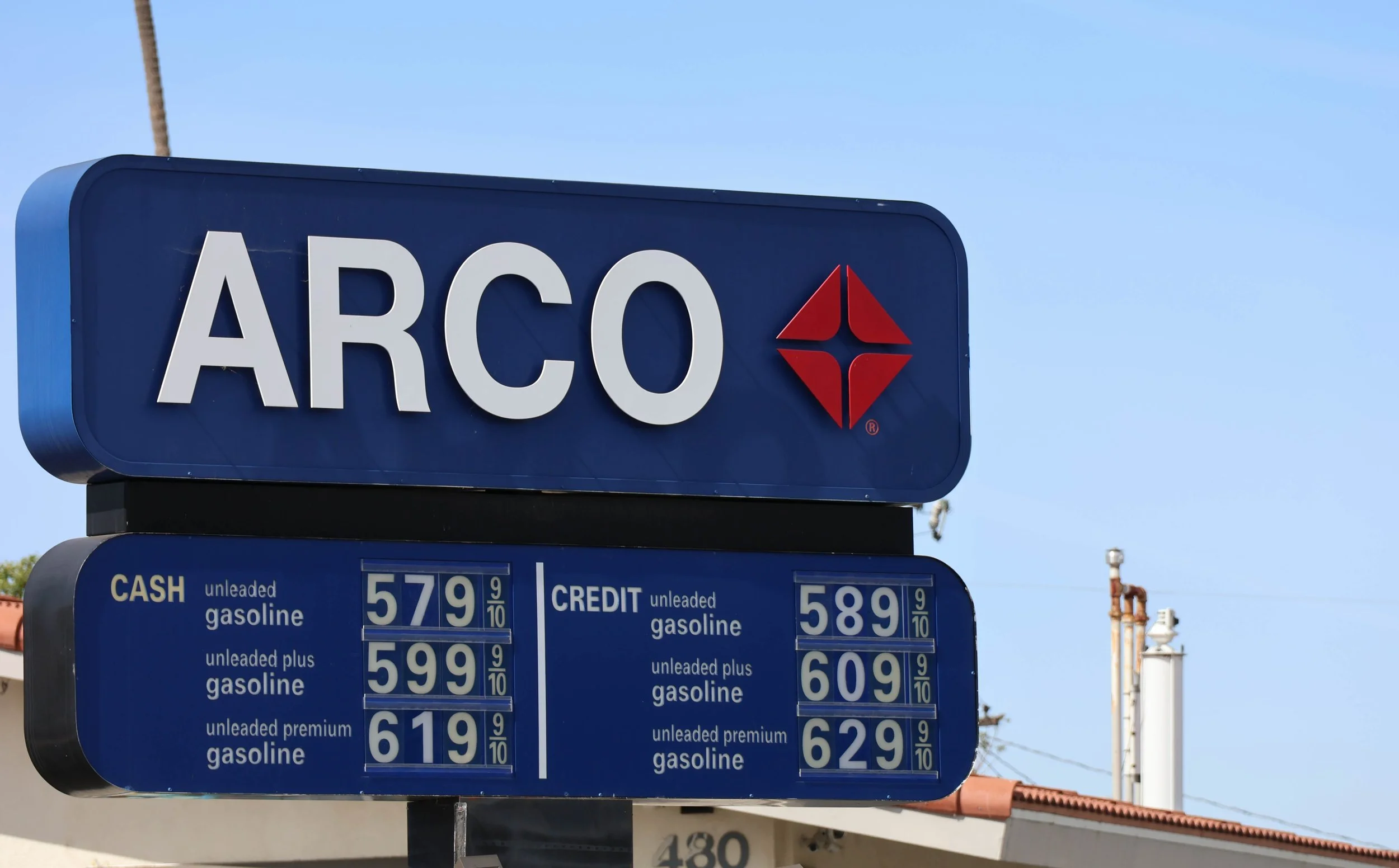
Photo by Trinity Johnson, Photographer
Tavon Miller has a car — a Mustang EcoBoost — parked at Chapman Court. On most mornings, though, he leaves it there and walks to the shuttle stop instead. With Orange County gas prices climbing past $5 a gallon, the calculation is simple.
"Gas prices have been rising recently," said Miller, a sophomore computer science major. "Even though it's a short trip from where I live, I still choose to take the shuttle because of that."
California is the most expensive state for gas in the country, according to AAA, with prices nearly $2 above the national average. The spike is being driven by geopolitical instability in the Middle East, the closure of two major California refineries and the state's elevated tax and regulatory structure.
Miller is not alone; as Orange County's average price for regular gasoline reaches $5.93 per gallon, up $1.26 from just one month ago, more students are turning to Chapman's shuttle to avoid the pump.
The university's shuttle system is operated by Transdev, a private transportation management company, in an agreement that runs through 2028. Chapman owns the vehicles, pays for fuel and sets the routes, while Transdev handles everything that keeps them running, from hiring and training drivers to insurance and repairs. The shuttle system has logged over 71,000 rides since the beginning of its contract in June 2025.
The fleet includes 18 vehicles in total, with a majority running on gasoline and three on compressed natural gas (CNG), a fossil fuel alternative consisting mainly of methane that has not seen the same price increases as gasoline during the current crisis. The downside is that CNG vehicles have a significantly shorter range than gasoline-powered vehicles, which limits their deployment across the shuttle network.
Sheryl Boyd, assistant director of parking and transportation services, said the rising fuel costs have not changed anything for riders.
"We understand the importance of continuing to provide service for our students, and we have not had to make any reductions in service," Boyd said.
Miller said he hopes the service stays consistent, though he noted the system could still use work. Beyond the bus he had just missed, he said, frequency is a persistent issue.
"They need to get more staff going and just keep going with more buses," he said.
Gwen Marston, a sophomore English major, echoed Miller’s habits. Her Honda Accord sits parked while she rides the shuttle, skipping both the pump and the parking lot.
She said her commuting friends sometimes spend 30 to 40 minutes just finding a spot on campus.
"The shuttle system isn't too bad,” she said. “A lot of people complain about it, but I think the trade-off is worth it."
Additionally, Marston said she would resist any move to charge students for shuttle access. Since Chapman requires students to live in university-affiliated housing, to Marston, that makes free transportation less of a perk and more of a promise.
"They require students to live in campus housing, and most of that is off campus," she said. "So I think it's kind of (Chapman administration's) responsibility to give students affordable and accessible public transport."
For now, the shuttles are still running and students are riding. With gas prices showing no signs of easing, the demand for that free ride is only likely to grow.