
A different kind of polarization: How the SAVE Act is dividing both parties
by Daniel Kim
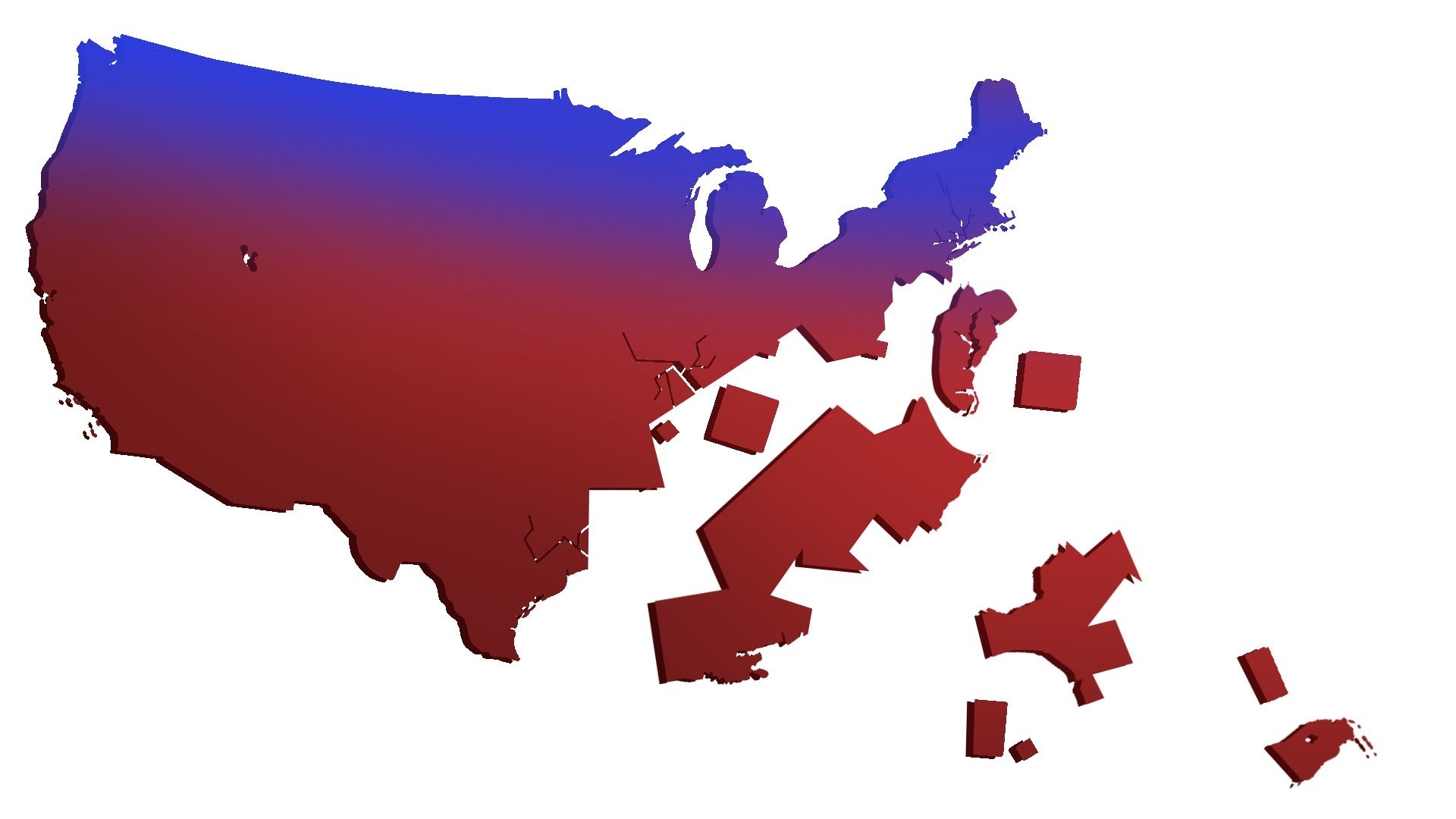
Graphic by Kamaal Samuel, Illustrator
I still remember casting my first ballot in the historic 2024 election. Like millions of Americans, I voted by mail — a process that was simple, secure and meaningful. That experience reminded me why access to voting matters, and why debates over voting rules can feel deeply personal.
On March 26, the Safeguard American Voter Eligibility Act, or SAVE Act, failed in the Senate by a vote of 53 to 47. The bill, described as a “bipartisan bill that would require a valid ID before registering to vote in a federal election, proof of citizenship and no mail-in ballots (except for illness, disability, military service or travel),” was intended to secure elections. Instead, it sparked disagreement not just between Democrats and Republicans, but within both parties.
At first glance, the debate seems straightforward: requiring a photo ID seems reasonable. But the SAVE Act quickly became controversial because of how far it went and what it would change. Democrats oppose the bill because it would require Americans to register in person — eliminating most mail-in registration and voting options — while Republicans support it as a measure that legitimizes elections by requiring proof of citizenship.
Republicans argue the bill is simple and fair. On the other side, Democrats in the Senate oppose the SAVE Act because it would impose a “one-size-fits-all” approach on all 50 states, discarding existing voter ID rules and reshaping how Americans participate in elections.
My own voting experience underscores why this matters. When I mailed in my ballot in 2024, I didn’t have to worry about taking time off work, finding transportation to a polling place or showing a passport I don’t carry. But the SAVE Act would have restricted mail-in voting for most voters. Without mail-in ballots, people like me — and millions of others — would face new hurdles.
This act is intentionally restricting mail-in ballots, which should be a basic voting right. Adding to the confusion, President Donald Trump framed mail-in voting in stark terms, saying that “mail-in voting means mail-in cheating” — even though he himself cast a mail-in ballot in a recent special election in Palm Beach County, Florida.
If passed, the SAVE Act could have serious consequences. It could discourage voters, raise concerns about the fairness of elections and erode trust in federal oversight of voting. Each state currently has different voting rules. Only some states, including Arkansas, Georgia, Indiana, Kansas, Mississippi, New Hampshire, North Carolina, Ohio, Tennessee and Wisconsin, require voter ID. The SAVE Act would force all states to adopt the same standards, potentially creating federal overreach into state-controlled elections — an alarming outcome.
These consequences are what scares me the most. How the trust and the voting process can quickly be diminished, and how the integrity of elections are at stake. I believe that these elections should be fair and just, but by creating the SAVE Act, Congress would just create more confusion, problems and distrust within the federal government.
Voters would need to share their ID, passport or birth certificate in-person rather than through mail. This would impact especially women who changed their maiden name to their spouse’s last name. This change is very significant, because it will prevent married women from being able to register to vote. This violation is infringing on the right to a fair and just election process.
The failure of the SAVE Act illustrates how polarized Congress has become. Even though a majority of the public supports voter ID laws, the legislation itself was opposed by both parties because of its restrictive measures. While Republicans championed the bill as a safeguard of election integrity, Democrats warned it went too far in limiting voter access. The act’s impact on millions of Americans highlights the tension between ensuring secure elections and protecting voting rights — a tension that became real to me when I cast my ballot by mail in 2024.
Voting rights are at stake in the 2028 election. Their future in the United States depends not only on the laws passed in Congress, but on the public’s engagement and advocacy to ensure that elections remain both secure and accessible. The question we have to ask ourselves is what is more important: voter integrity or voting limits?