
FAFSA is finally getting easier to use
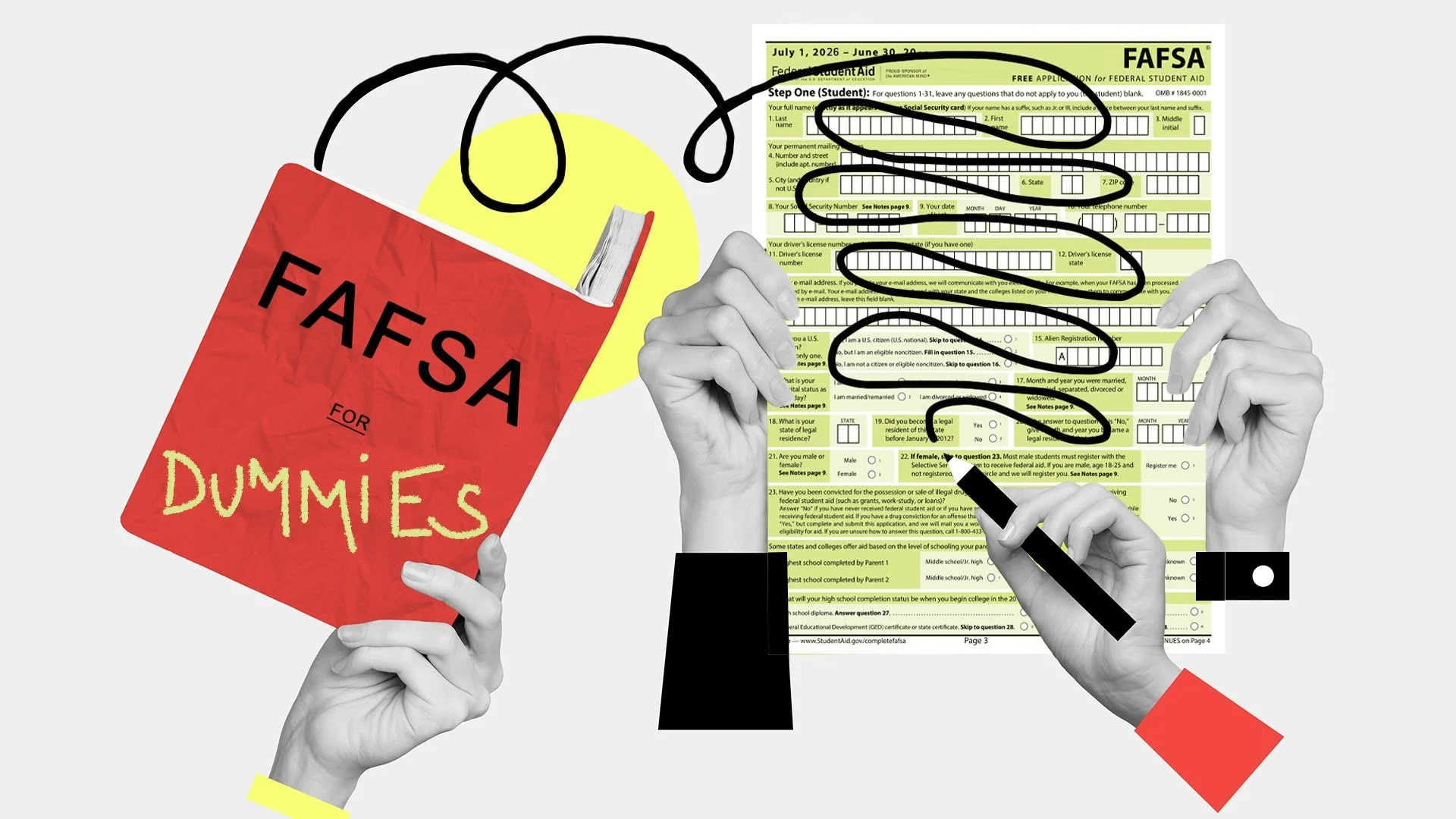
Collage by Riley LeBlanc, Photographer
When I first read about the upcoming Free Application for Federal Student Aid (FAFSA) user experience updates, my reaction was a mix of relief and a bit of skepticism. On paper, these changes sound like exactly what students and families have been asking for: faster processing and a more intuitive system.
For one, I genuinely think some of these updates are long overdue. The improvement allowing parents without Social Security numbers to use their Individual Taxpayer Identification Number instead of manually entering tax information is a big deal — that process has historically discouraged many families. Removing that imposition doesn’t just make the form easier, it makes financial aid feel more accessible.
The same goes for the new feature that lets families see their aid eligibility, like Pell Grant status, immediately after submitting the FAFSA. That kind of instant feedback can be powerful. For many students, especially those unsure about whether college is financially possible, that moment of clarity could be the difference between applying and giving up altogether.
The rise in financial aid fraud and identity theft is a serious issue that affects both institutions and real students. Strengthening the system to prevent that makes sense. But on the other hand, there’s always a concern that added security measures could unintentionally bring new challenges. Accessibility and security don’t always balance easily, and FAFSA hasn’t always gotten that balance right.
What stands out most to me is how much these changes reflect a shift in priorities. There’s a clear effort to make the process faster and more user-friendly, which is great, but it also highlights how complicated and inaccessible the system has been for so long.
My own experience with FAFSA makes it hard for me to fully buy into the idea that these improvements are enough. Yes, the application itself has become more streamlined and easier to navigate, and that absolutely matters.
But when it comes to actually getting help, the system still feels distant and impersonal. Most emails are met with automated responses that don’t really address what you’re asking, and trying to reach a real person means sitting through endless prompts, waiting on hold and finally being connected to someone who often sounds like they’re just reading from a script rather than actually listening.
And that’s where my biggest frustration lies. Financial aid is not just paperwork, it directly shapes the long-term financial livelihood of students who will eventually go on to contribute to society.
A department with that much influence should be held to a higher standard when it comes to how it treats the people relying on it. It’s not unreasonable to expect more personalized attention. Yes, FAFSA is a government entity, but that shouldn’t excuse the lack of human connection.
If anything, it makes it more important. The same level of persistence and organization that goes into collecting loan payments should be applied to giving students the time and clarity we deserve.
At the end of the day, these updates show progress, but they also highlight what’s still missing. Making the process faster is great, but making students feel heard should matter just as much. Until that happens, the system will still feel like it’s working around students rather than for them.
So yes, I’m hopeful. But I’m also paying attention. Because when it comes to something as important as financial aid, “better than before” shouldn’t be the goal. Getting it right should be.