
Do dorm mold horror stories spread faster than microbial growth?
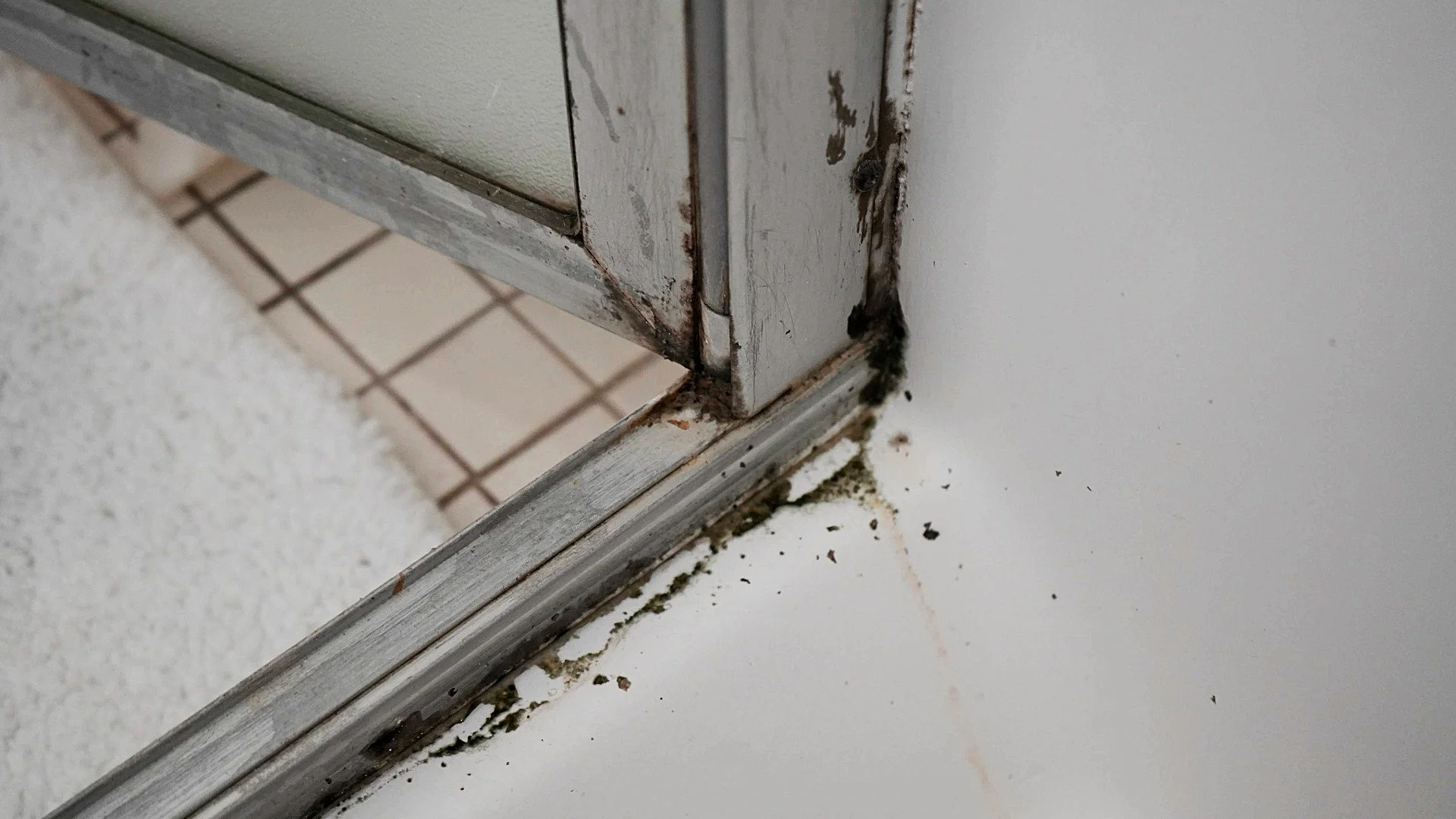
Photo by Riley LeBlanc, Photographer
College students deal with a lot of unique challenges: “frat flu,” 8:00 a.m. classes and pulling all-nighters to cram for exams. But year after year, another problem persists. According to students, Chapman University housing has widespread mold issues — but the Residence Life and First-Year Experience Office (RLFYE) staff beg to differ.
“I want to say that the majority of people in Henley (Hall) have had to deal with mold,” said freshman computer science major Thien Scofield, who claims to have found mold in his air conditioning unit. “It would smell really weird when we turned it on, and we thought it was broken, but it was just mold.”
But Juan Tinoco, assistant dean of students for RLFYE, said that extensive precautionary measures and response protocols have lessened staff’s concerns regarding microbial growth or mold.
“There have been no widespread systemic mold issues in the residence halls,” Tinoco said. “Reports about microbial growth are a very small percentage of all the work orders that we receive, but we take all concerns very seriously.”
Tinoco added that many mold reports turn out to be false alarms.
“Sometimes what students think is mold is actually another issue,” Tinoco said. “More likely than not, there is moisture with dirt that’s on top of their AC.”
Chapman Facilities Management and Aramark Custodial Services, Chapman’s janitorial vendor, are on call for any issues in residence halls. Students must submit work requests to call attention to these concerns.
“The first thing we do when we have a (mold report) is to have eyes on it,” Tinoco said. “We have trained facility folks who have tools to check moisture. If needed, we may ask the student if they’re okay with relocating before bringing in a professional vendor for a deeper investigation.”
However, not all students who complain of mold incidents submit work requests.
Scofield said he and his roommates dealt with the mold on their own, cleaning and sanitizing the AC unit whenever it occurred.
The reported problem extends beyond freshman dorms into continuing housing.
“(Chapman) Grand by far has had the most mold,” said senior business administration major Haley Geary. “It is in the crevices of the bathroom and near my front door.”
Geary has lived in on-campus housing all four years at Chapman and has had two mold issues: her freshman year in Sandhu Residence Center and her senior year in Chapman Grand.
“At Sandhu, they had a specialist who came and cleaned all the vents,” said Geary. “For Grand, the mold was present before I even started living in the apartment. I just got mold and mildew cleaning supplies and deep cleaned everything.”
Even though she had those experiences, she still chose to live on campus because she found it easier and cheaper than renting a house.
While Geary and Scofield have had issues with mold, that's not the case for all students. Resident Advisors (RAs) Isabelle Killough, who is in her second year as an RA, and Oly Chen, who is in their first year as an RA, have not had to deal with mold, but they have heard some horror stories.
Killough, the lead RA in Morlan Hall, said that sometimes students aren't super proactive about cleaning, which can lead to microbial growth.
Similarly, Tinoco urged students not to place furniture and other items directly in front of their AC vents to prevent moisture buildup, and to utilize the work request system if problems arise. Though RLFYE conducts four safety checks a year, he also hopes that students will be vigilant about bringing up possible concerns.
“We don’t want anybody to feel like we don’t care,” Tinoco said. “The safety and well-being of our students is our top priority.”