
by Paige Filipan

Dodge College student Paige Filipan attends Adobe House at Sundance; Photo Courtesy of Paige Filipan, Guest Writer
This time last year, a flyer on a Marion Knott Studios bulletin board caught my attention: "Structure and Function of a Film Festival." The week-long course promised seven days immersed in the Sundance Film Festival in Park City, Utah.
This year was particularly historic as Sundance announced it would close its 41-year chapter in Park City and move to Boulder, Colorado in 2027. I wanted to experience the last traditional Sundance in Park City. Along with 12 other Dodge College students, I traversed every corner of the festival during opening week.
This was my first time attending the festival with the intention of entering the entertainment industry post-grad. I went in with the following misconceptions:
1. You just need to show up and figure out the rest in person.
If you only have a limited amount of time there, this festival requires strategic planning that would rival a military operation. Within hours of arriving, I realized that spontaneity at Sundance often leads to bad FOMO. Every screening required advance ticket reservations, waitlist strategies and backup plans. Panels and talks demanded at least an hour or two of waiting for a space in the room; a chair was never guaranteed.
The festival operates across multiple venues in Park City, from the Egyptian Theatre to library screening rooms. It took hours to understand the shuttle system, and then even longer to get from one place to the next because of the festival’s attendance. Uber and ride sharing were never viable emergency options, so patience became essential for our sanity.
One positive aspect of all the waiting and standing around was the opportunity to network with other industry professionals. Community was built on desperation for a warm drink in 10-degree weather, and it landed me some impromptu coffee dates with people I might not have otherwise met if it weren’t for that odd circumstance.
2. Every film at Sundance is its own masterpiece.
Hard no. Many people I met at Sundance suggested leaving any screening that didn’t feel worth my time. Sundance has the prestige of launching hundreds of acclaimed films, including “Reservoir Dogs,”“Little Miss Sunshine,”“Whiplash,”“Get Out,”“Precious” and “Napoleon Dynamite.” But acclaim doesn't equal enjoyment. It was clear from my first screening that my taste wouldn't align with every film the festival championed.
One documentary screening even prompted a quarter of the audience to leave midway through, leaving me flabbergasted, as I never had the guts to do it myself. Suffice it to say, Sundance had a balance of hits and misses.
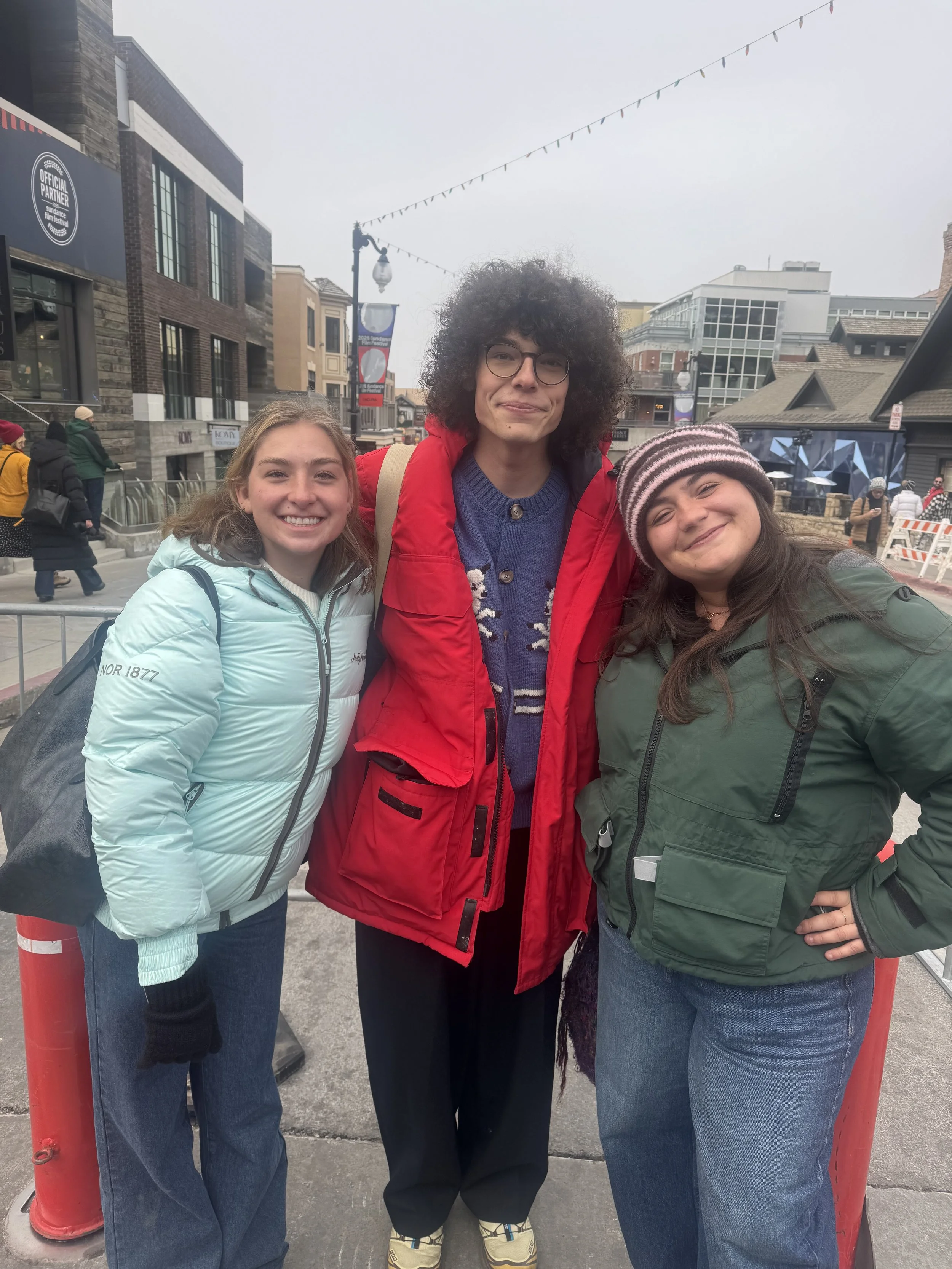
Ava Nicholls and Paige Filipan pose with Reese Feldman (@guywithamoviecamera); Photo Courtesy of Paige Filipan, Guest Writer
3. Industry professionals do not waste their time talking to students.
Cold approaching professionals after panels and talks got me contacts and one-on-one conversations. Not once did I experience a cold shoulder or any form of dismissal because of my status as a film marketing student. If anything, being a student prompted new opportunities and led to different degrees of connection.
I had the chance to speak with marketing professionals and influencers from Focus Features, Audible, Adobe, Canon, TikTok and many other companies — conversations that would have seemed less likely to happen in Orange. After a panel hosted by Variety and Adobe, Dawn Yang, TikTok’s global head of entertainment partnerships, walked me through how they selected the creators who attended the film festival. This opened the door to meeting tons of film creators throughout the rest of my Sundance experience, and as someone invested in influencer marketing, I walked away with many new insights. My student status wasn't a barrier to these conversations — it was the reason they happened.
As our travel course left Park City, I returned with many new bonds and a clearer understanding of the state of the filmmaking industry. The festival didn't require me to have all the right connections, be in the “right rooms” or pretend to be more experienced than I was. It required preparation, patience and the courage to engage authentically.
For Chapman students considering this travel course or any film festival experience, my advice is simple: plan meticulously and don't underestimate the value of your perspective.
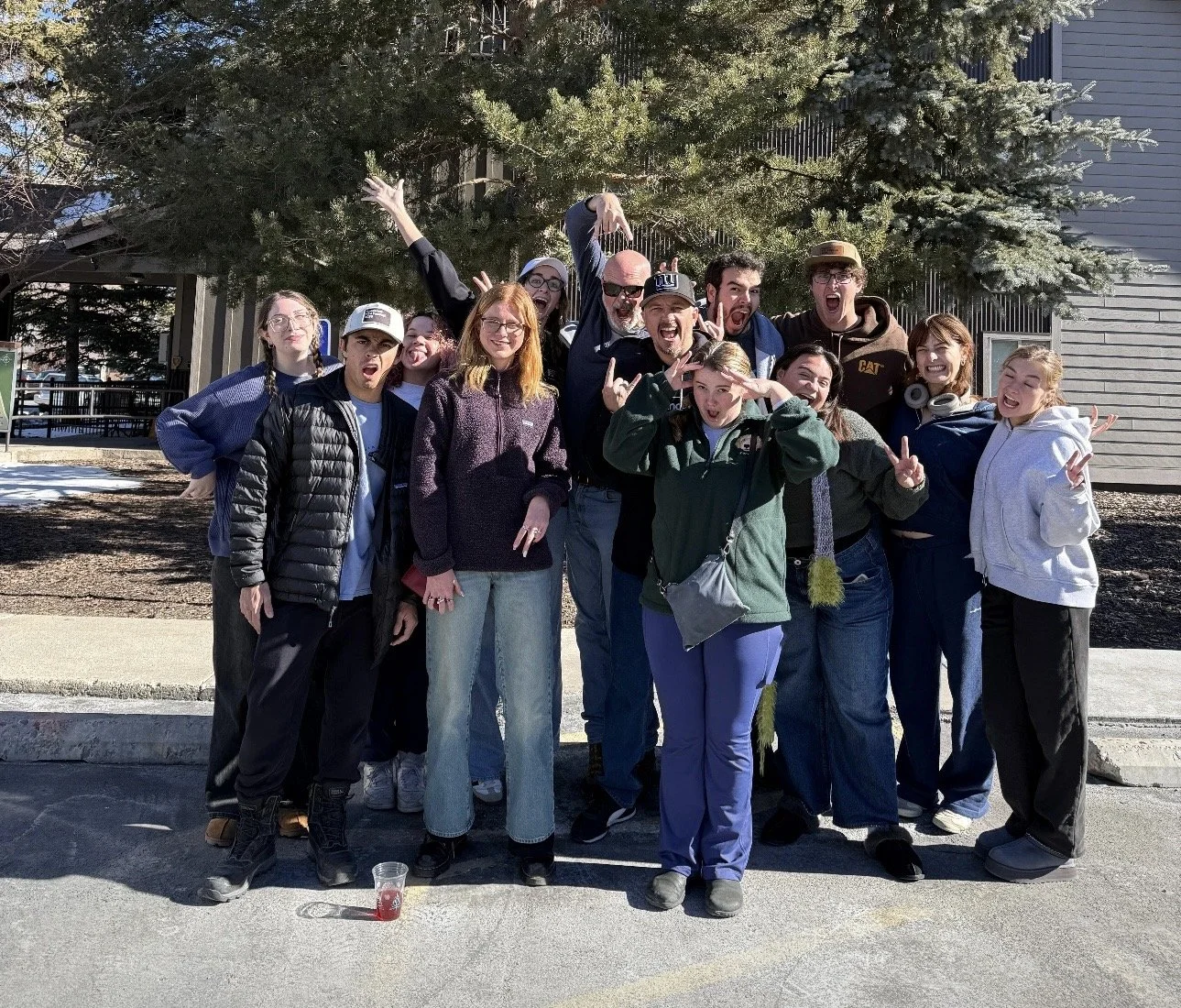
Sundance Travel Course Class of 2026; Photo Courtesy of Paige Filipan, Guest Writer